Dignity: Her Superpower

By Tami Pyfer | Chief Impact Officer, Dignity.Us

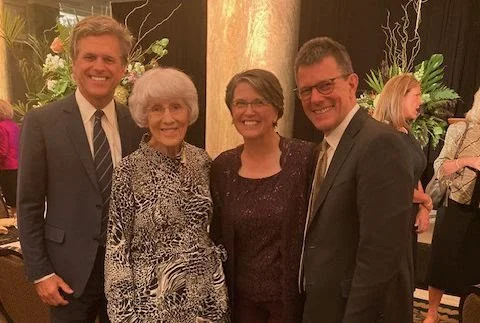
Earlier this month, Utah lost one of its most influential political operatives.

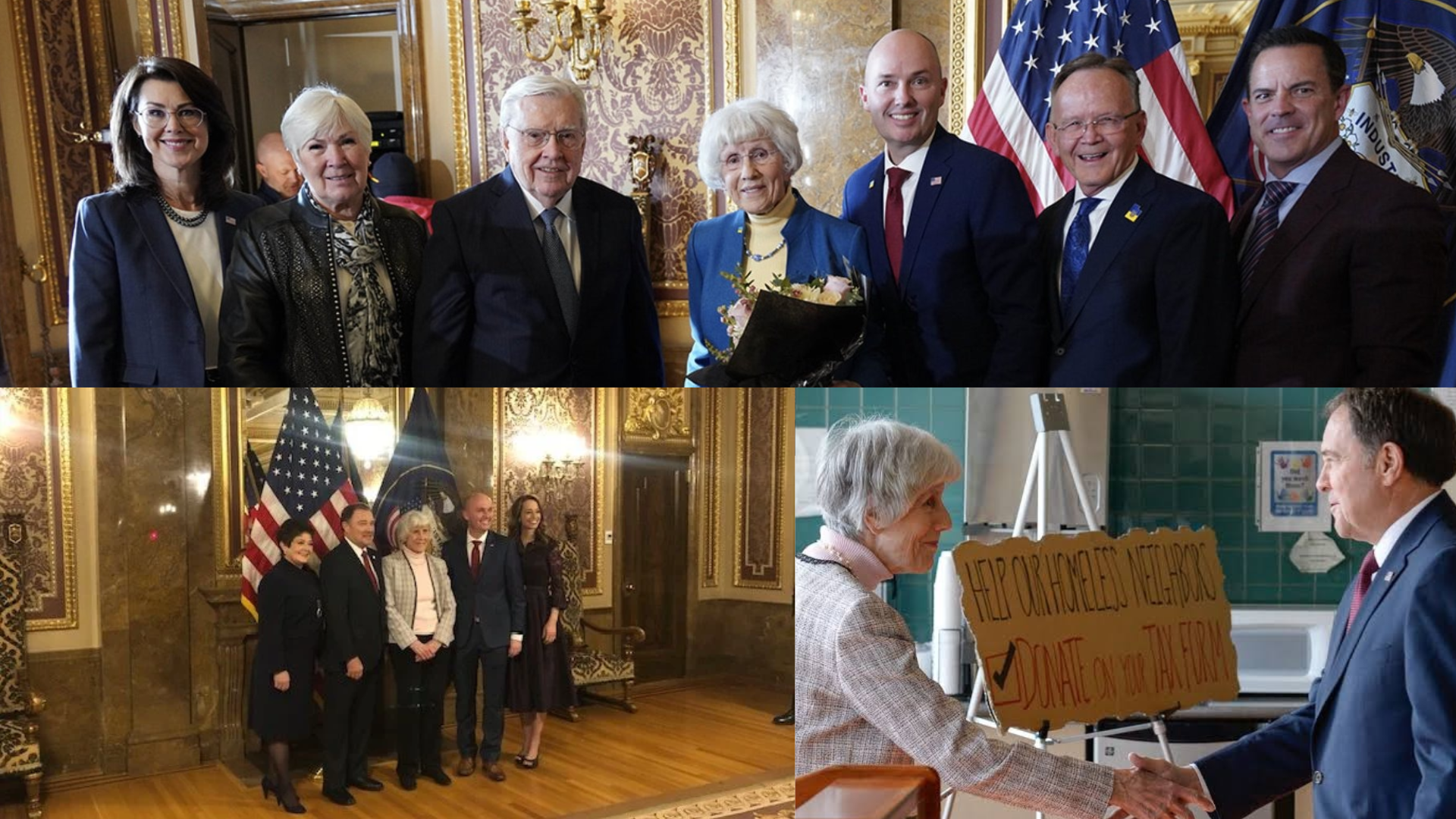
For decades, she walked the halls of the Capitol—pulling legislators out of meetings, conferring with lobbyists, testifying in committee hearings, and challenging the status quo. She advised four governors and countless cabinet members and government officials. She coordinated with community groups, built coalitions to advance policy agendas, and was often the go-to person when legislation got stuck. Buildings, programs, and even a special donation line on the state income tax form bear her name. Over the years, she became known as Utah’s Mother Teresa.

Wait, what?!

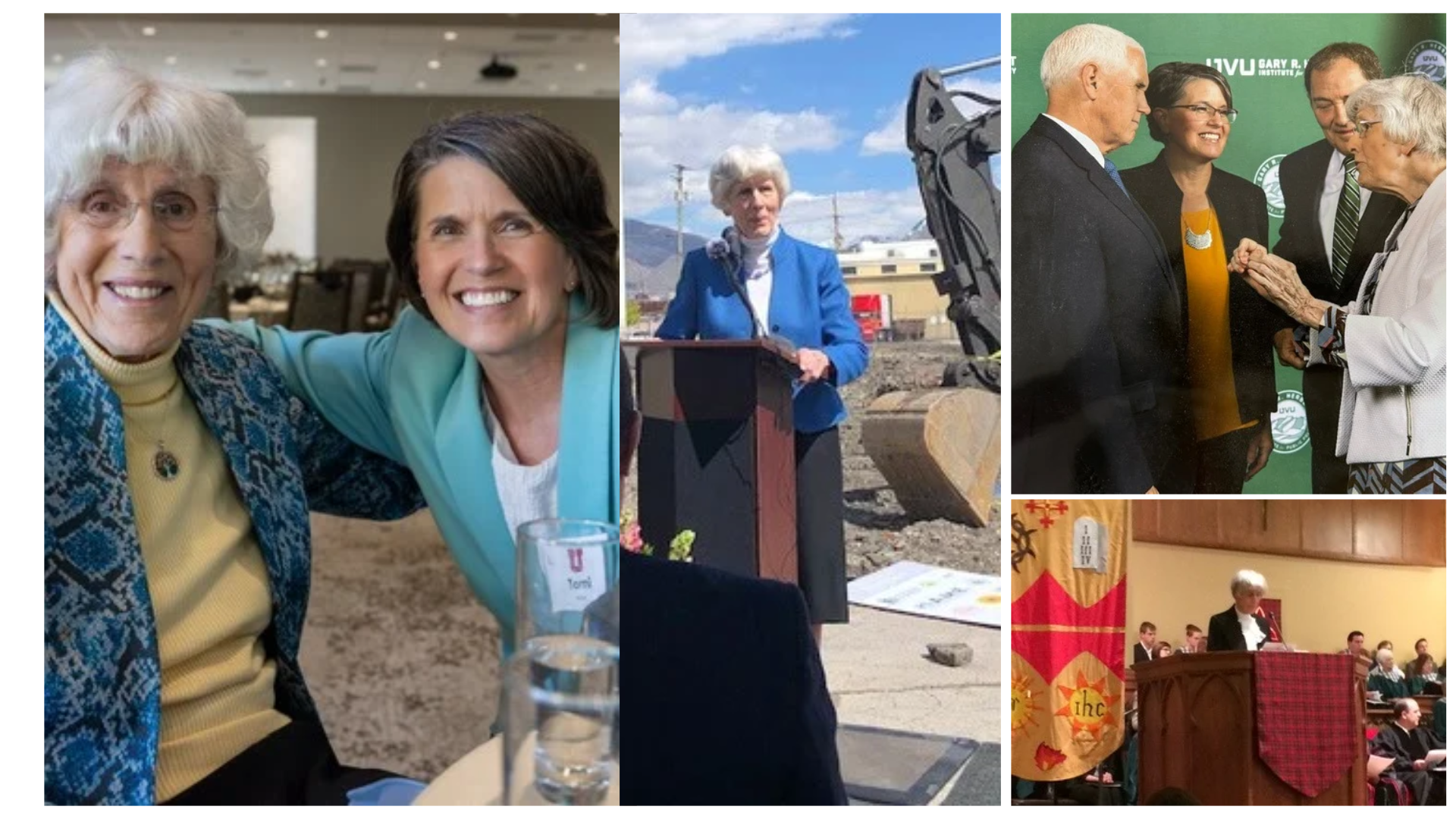
It’s not often you see a political powerhouse compared to a beloved saint, but this was Pamela Atkinson, who died earlier this month at the age of 93. You see, much like Mother Teresa, she used her influence and political power to pursue change for marginalized populations—those experiencing homelessness, addiction, and poverty. She passionately sought to lift those around her through every means available, including building coalitions and partnerships with faith communities, nonprofits, philanthropists, and government leaders. And she was remarkably successful.

Pamela’s superpower? Dignity.

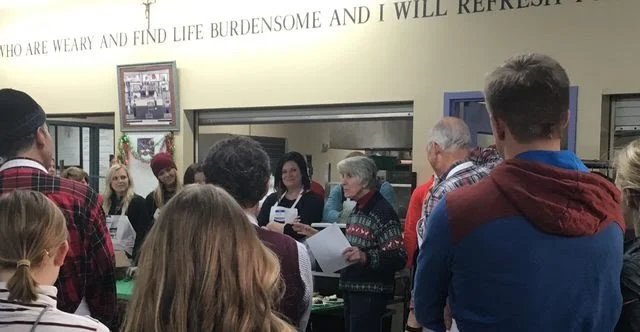
For this ordained Presbyterian Elder, British immigrant, and nurse by vocation, dignity wasn’t an abstract ideal. It was the way she pursued justice and change for those in need. She knew people experiencing homelessness by name. She visited their camps, listened to their stories, learned about their families, and developed genuine friendships.

One of those friends was a man named Chuck, who lived outdoors with his little dog, Trixie. One day Pamela brought Governor Mike Leavitt to visit Chuck, and the two men struck up a conversation. Later, when Chuck was hospitalized with liver failure, he told his medical team that he was friends with the governor. The staff reportedly assumed he was delusional and requested a psychiatric evaluation. When Pamela learned that Chuck was dying, she called Governor Leavitt, who came to the hospital, security detail in tow, to sit with his new friend.

But Pamela didn’t stop at treating individuals with dignity. She wanted the systems and institutions around them to do the same, which meant engaging with powerful people who disagreed with her. She knew that caring about people wasn’t enough if the systems meant to serve them continued to fail. And she knew that disagreement didn’t have to become contempt.

In an interview earlier this year, Pamela described a conversation with someone whose views differed from hers. After listening to him share his view, she responded, “I still disagree, but boy, I like you.”

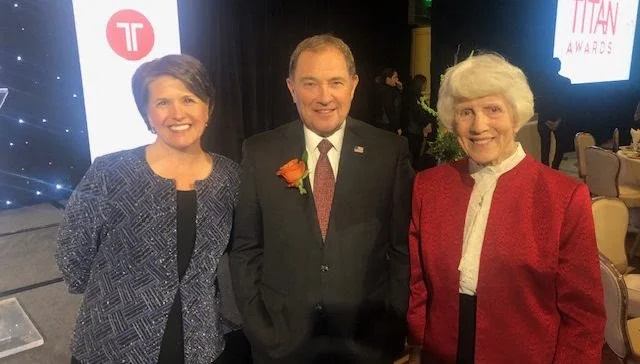
I worked with Pamela while we both served as advisors in the governor’s office (her third governor, my first!), and it was her approach to disagreement that taught me so much. We were both quite passionate about our positions, but new to this role, my first response to flawed legislation would often be, “How can we defeat this bill?” while Pamela’s was, “I need to meet with this senator and learn more. I wonder what we’re missing?”

Guess whose approach was more successful?

When we were first developing and testing the Dignity Index, we met with Pamela and she offered us advice and encouragement. But she also challenged us, as only she could. She pointed out that there were people missing from our conversations—people whose experiences and perspectives needed to be represented. And she was right.

A question I hear often while teaching the Dignity Index is, “But how do I push back on the terrible things happening around us?” The assumption is that dignity is soft and ineffective, that you have to “fight fire with fire.” But as Pamela and so many other community and civic leaders demonstrate, you can change systems, and challenge people, and fight passionately and successfully for change—without treating others with contempt in the process.

If dignity is weak, it’s a good thing no one told Pamela Atkinson. 

-Tami Pyfer


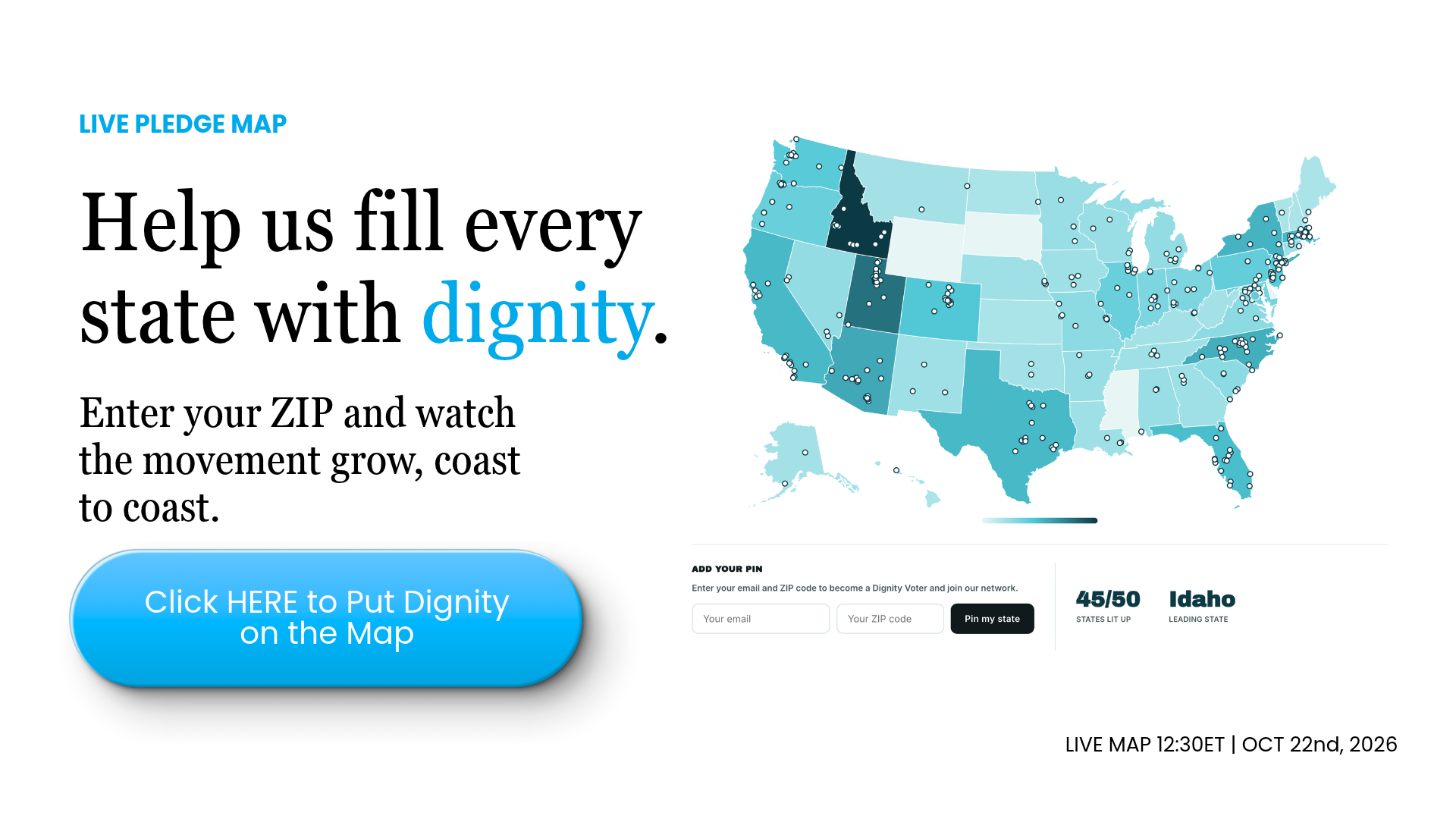
Become a Dignity Voter and Pin the Map

Dignity Voter Meeting Zoom Chat

Join us on October 27th at 7:30 PM ET for an engaging conversation! We’ll share new ways to get involved, hear what you’ve been working on, and keep learning from one another.


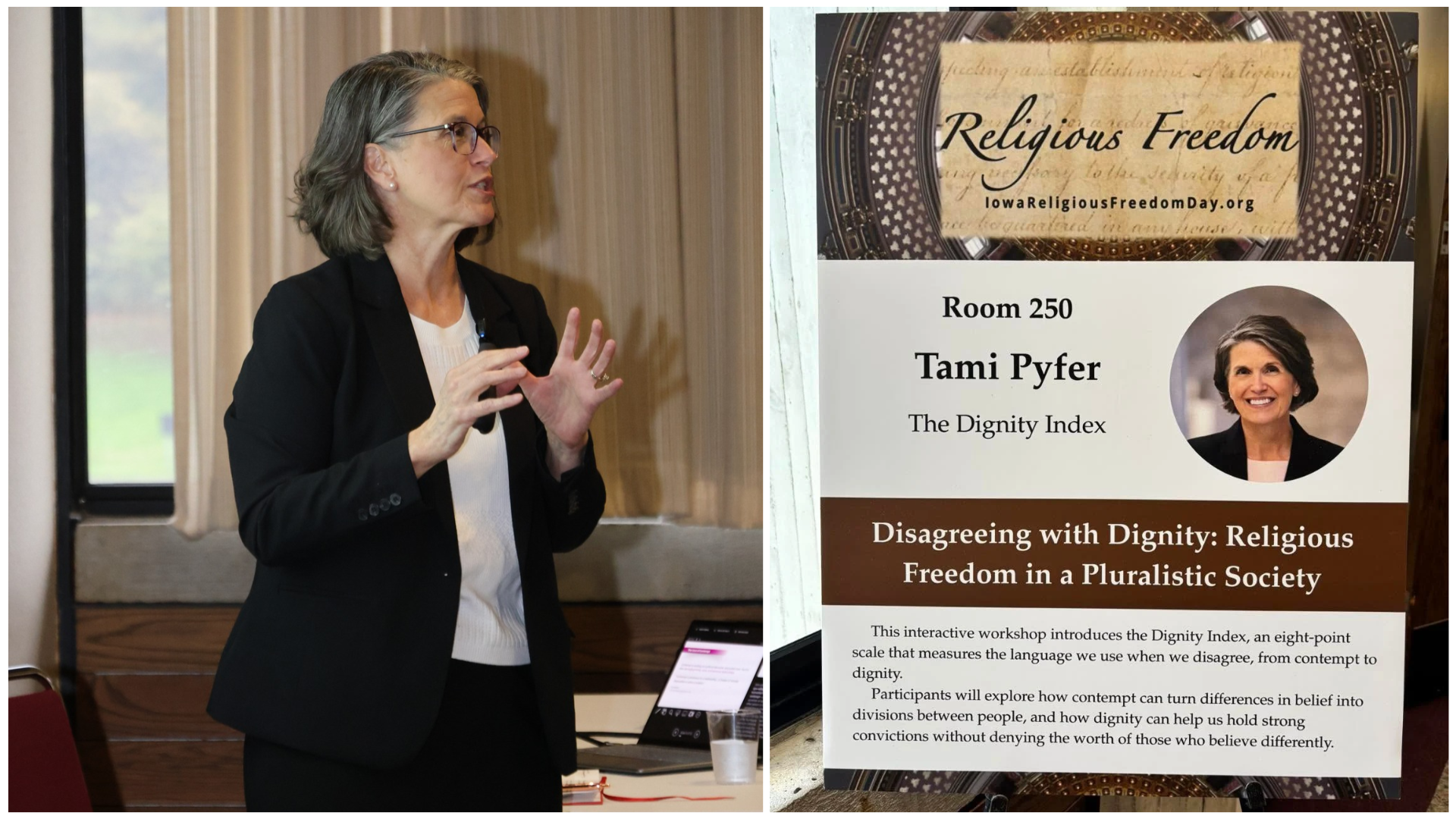
Tami was in Ames last week, presenting at the Iowa Religious Freedom Day Symposium. In her breakout she introduced the Dignity Index as a tool for navigating differences and building understanding across religious and ideological divides. Her message emphasized that we can hold firmly to our convictions while honoring the inherent worth of those who believe differently.


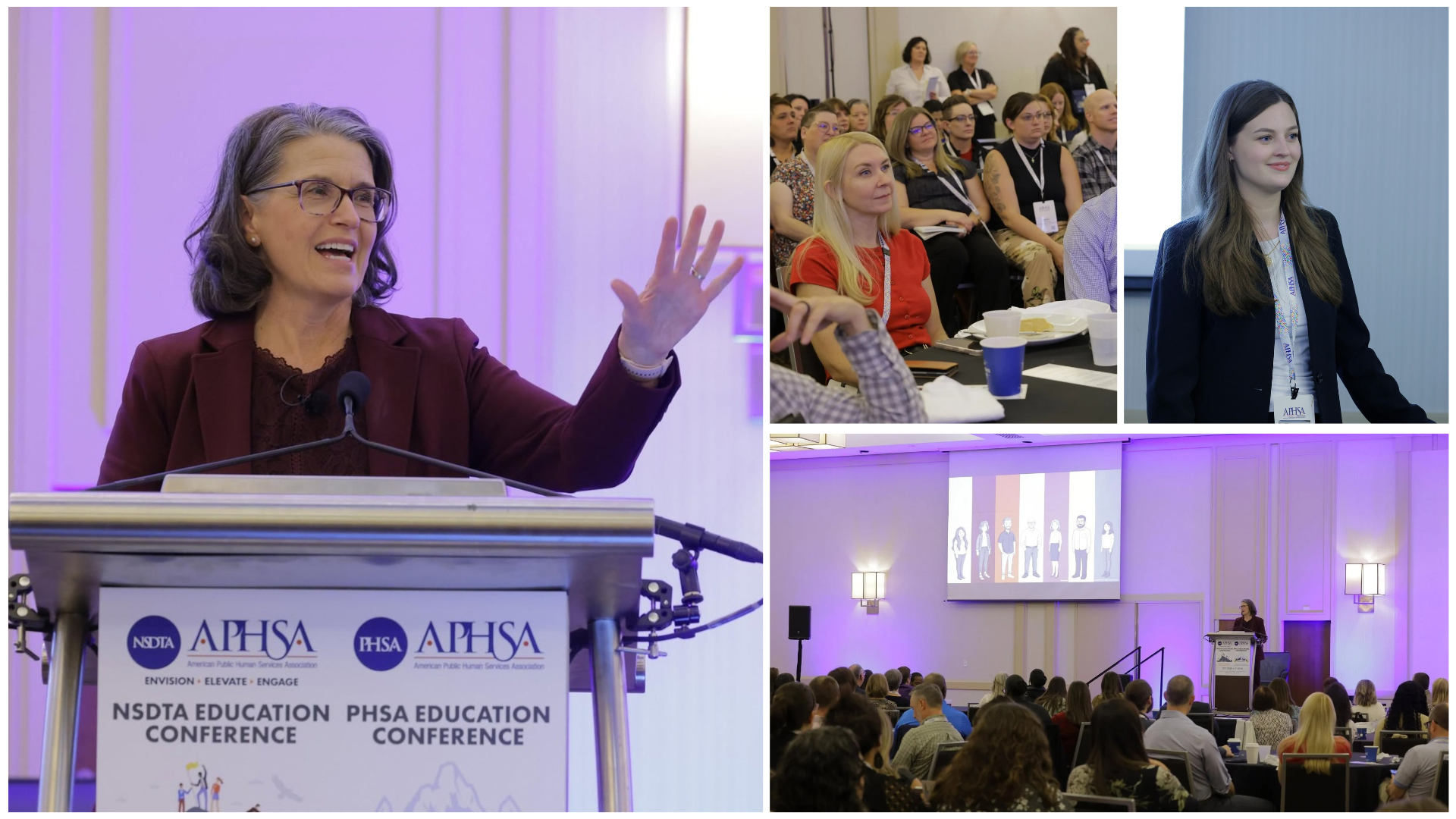
Earlier this month, Tami and Madeleine presented at the National Public Human Services Attorneys conference, held in conjunction with the NSDTA conference. Tami opened the conference with a keynote, while Madeleine’s breakout took attendees into a deeper dive on the Dignity Index.


Help grow a culture of dignity.

Share this newsletter with a friend, colleague, or family member.

Follow us on social media for daily examples, insights, and resources.

Share your dignity story.

Become part of our Dignity Community to connect with over 700 people committed to practicing dignity. Join us for LIVE chats, exclusive content, and more.

Support our work with a donation to help us create more free tools, research, and educational resources.

Invite us to your community, school, workplace, or organization to bring a Dignity Index workshop or keynote.


Next
Next

How to Compete