Dolly Parton - Dignity Genius

By Tom Rosshirt | Chief Strategist & Director of Research, Dignity.Us

Dolly Parton scribbled down the original lyrics for “Coat of Many Colors” on the back of a dry cleaning receipt. She always kept a pen and some kind of paper nearby because she knew the lyrics were coming, but she didn’t know when.

“I love to sit around for hours, alone with a good cup of coffee,” Dolly tells us in her book Dolly Parton: Songteller. “I can really do some serious writing then. I just go into my “God space.”  

“Most songwriters have a zone they go into,” she says. “I call it my spiritual zone. I feel like I’m closest to God when I write. I have to leave myself open for the songs to come … Every once in a while, something special happens. A great line will just come to me, and I’ll go “Hey, thank you, Lord. I know I didn’t think of that.”

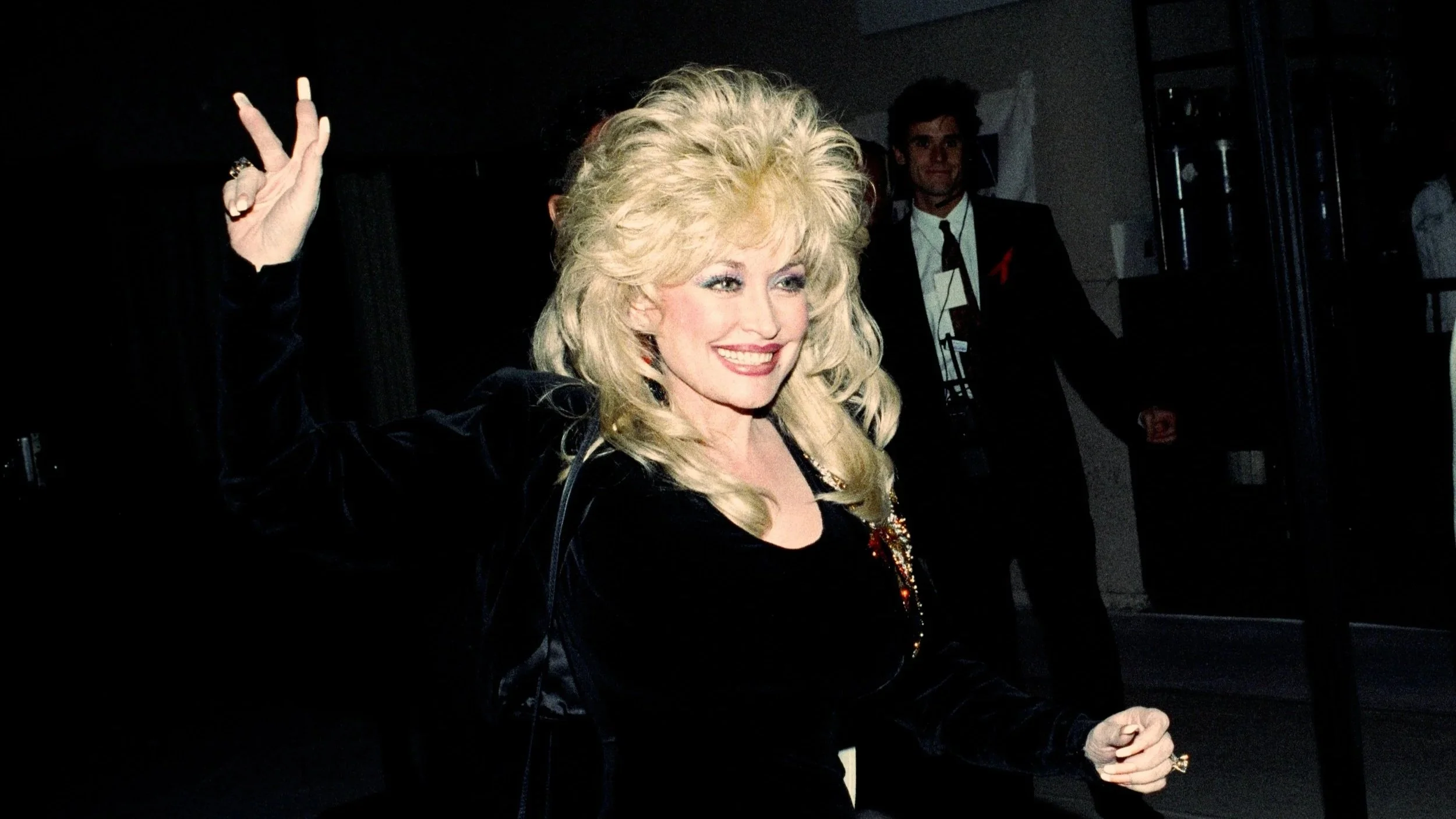
When I heard the news yesterday that Dolly Parton died, I cried. Not, I don’t think, because she’s gone. But because the news made me spend some time thinking about her – and whenever I look goodness in the face, I start to cry.

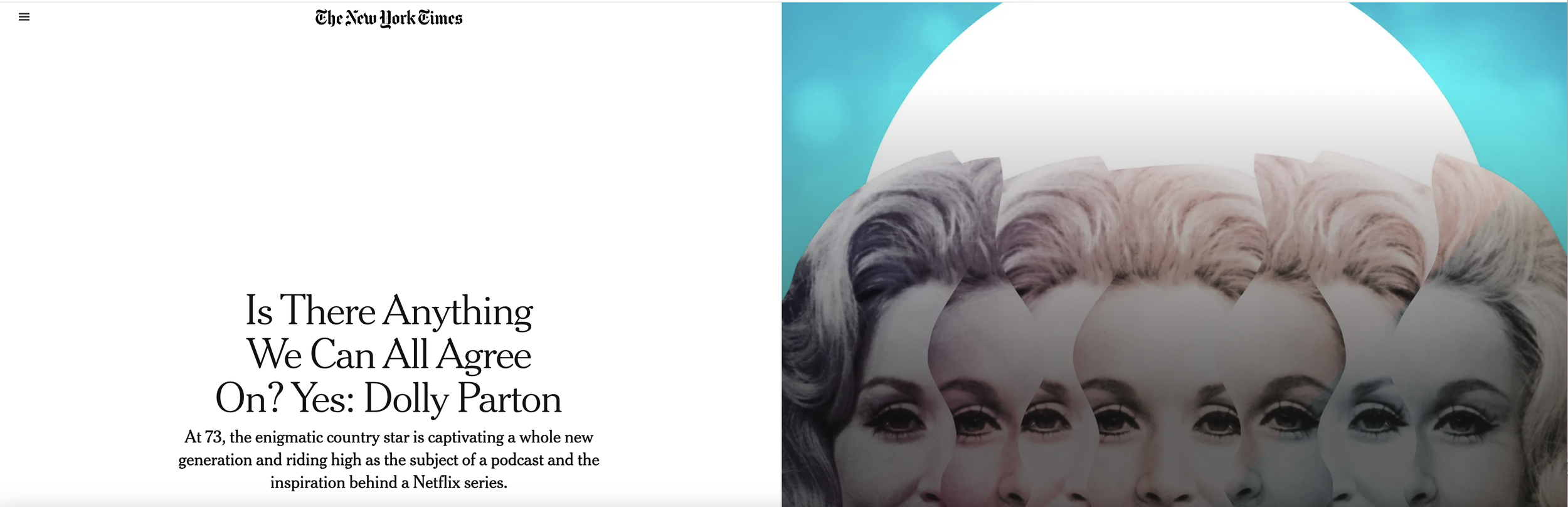
Seven years ago, the New York Times ran a profile on Dolly with the headline “Is There Anything We Can All Agree On? Yes: Dolly Parton.”

The article explored the reasons for Dolly’s appeal, and in the final paragraph of the story, the reporter concluded:  

“The secret to her endurance seems to lie in the parts of herself she’s always kept safely out of sight…. As a strategy for creating mystique, it’s still drawing people to her, five decades into her career. It’s not that she believes nothing, it’s that she seems to believe deeply in certain things she’d rather keep close to the vest.”

I see it differently.

Her appeal is grounded in the views and values she states openly and lives fully. The profile itself makes the point with this passage: “When asked, in 1997, how she was able to maintain fan bases within both the religious right and the gay community, she replied, “It’s two different worlds, and I live in both, and I love them both, and I understand and accept both.”

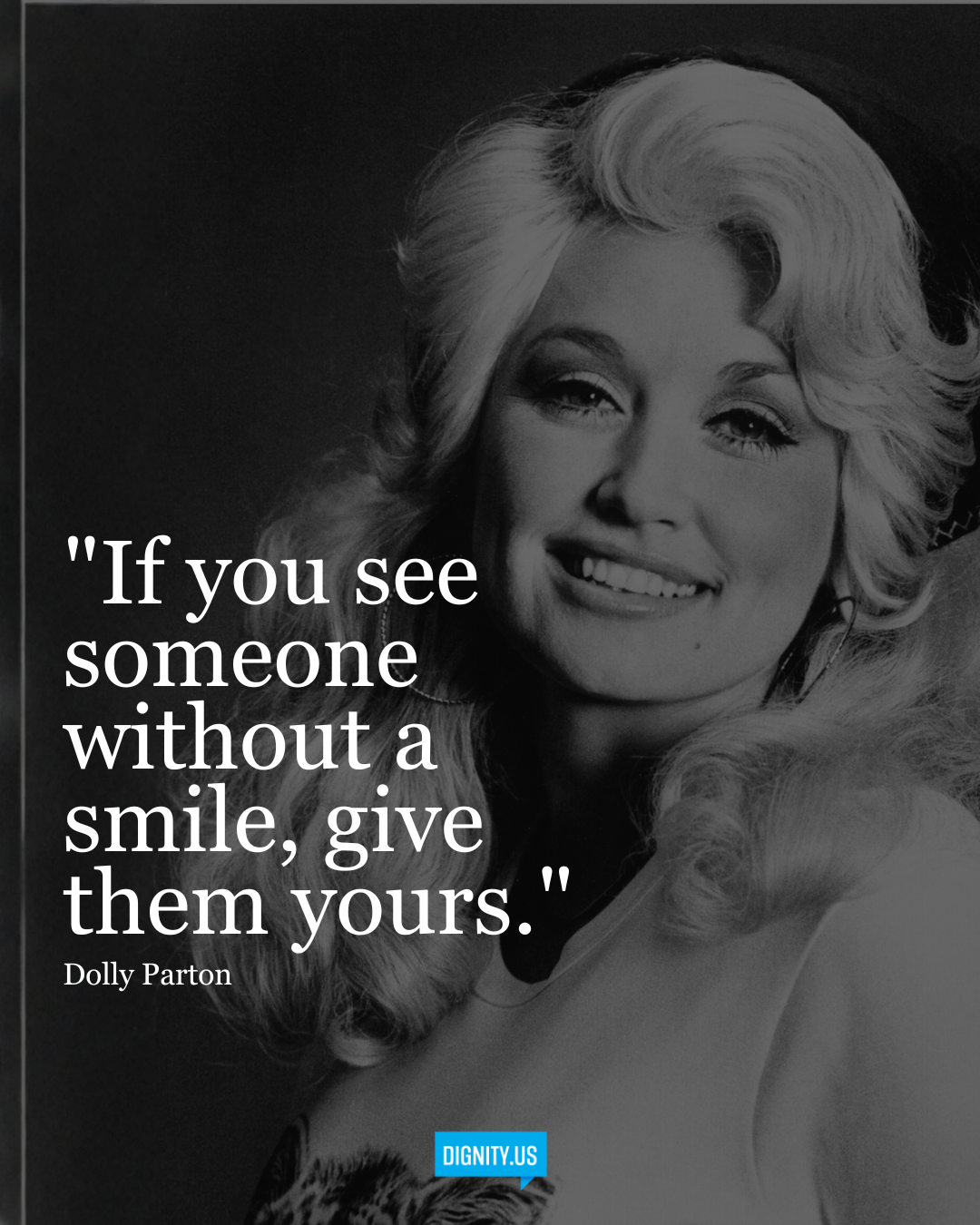
That’s the secret to Dolly’s boundary-collapsing appeal: The energy she receives when she’s in her God space comes not only in the form of musical notes and song lyrics – but also in the form of love. She’s a channel for bringing grace into the world. That’s her appeal – she honors the deep and inherent human dignity in every person. That’s what she lived, that’s what she wrote, that’s what she sang, that’s what she taught.  

In Songteller, she said of Coat of Many Colors: “That little song is like a world of things. It teaches about bullying, about love, about acceptance … that it’s alright to be different. And that you don’t make fun of other people. You have to accept everything and everybody.”  

In her University of Tennessee Commencement Address in 2009, she said: “If you truly care about people, you won’t judge them, and you will learn to appreciate the uniqueness in every human soul.”  

Then she added: “That spiritual center we all have inside us … I call that my “God Core”  – in a way, that’s where earth and heaven meet. You should always listen to the God Core and care for others, and then you truly will be something special.”

“Where earth and heaven meet.” We’ve said before, “dignity is where divinity and humanity touch.” It’s exhilarating to hear language from Dolly that proves we’re talking about the same thing.

In another parallel, we have also said that when we’re operating at the upper stages of the dignity scale, we will defend the dignity of people who are being demonized, even if it could cost us belonging. Dolly shows us an example in her book My Life and Other Unfinished Business.

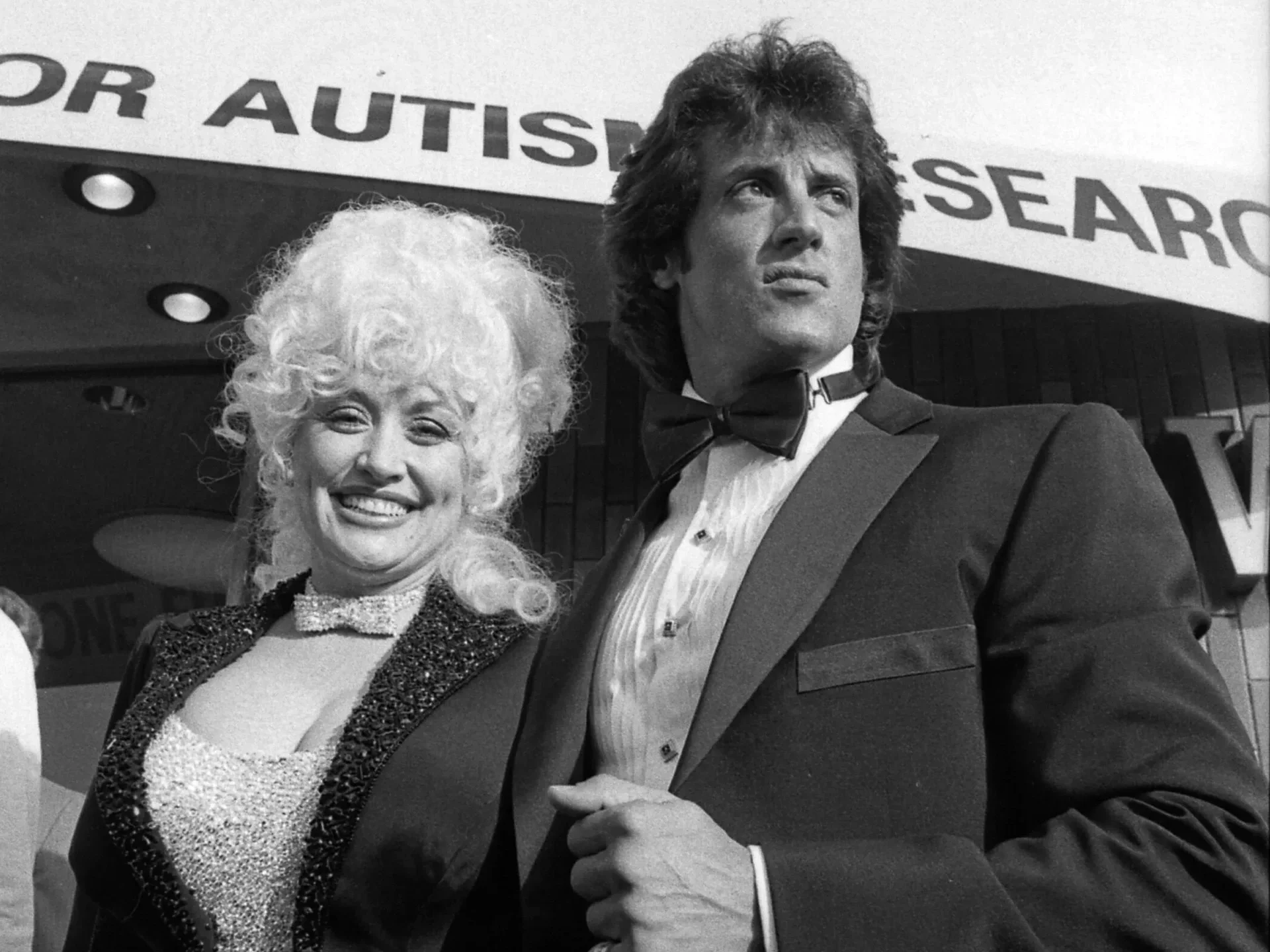
She’s filming the movie Rhinestone with Sylvester Stallone, and one night they were shooting in an alley in New York.

Garbage was everywhere, rats were running around, and Dolly noticed a man lying on the ground, shivering in the cold. She took off a big shawl she was wearing and put it around the man – unaware that anyone was watching. But Stallone saw it, walked up, jerked away the shawl, and said to Dolly: “Don’t you put that good shawl over that scum! He could have made something of himself. We did.”

Dolly was stunned to hear a friend talk that way, grabbed back the shawl, wrapped it around the man, then got in Stallone’s face and said: “Hey, look! That could have been you, you ungrateful son of a bitch!  Except by the grace of God. Who knows. It could be an angel sent to show you what an ass you really are. He’s one of God’s creatures, and that’s good enough for me.”

(Just a note: Wait! Dolly used contempt?!?! Yes, she did. And it worked. Chronic contempt is almost always harmful. But one sharp dose of contempt from someone who loves you and never talks to you that way can wake you up.)

The film crew was stunned and stood back. Stallone looked hurt and said, “You’re right.” Dolly later found her shawl back in the trailer and heard that Sly had gone back to the man, covered him in a blanket, and given him some money.

This is why Dolly’s appeal crosses boundaries – she honors the dignity in each of us – and by her example, urges us to do the same.  

It’s sad she’s gone. But her legacy isn’t going anywhere. If we spend some time thinking about her and recognizing what it was that made her so beloved, we can not only learn from her example, but follow it. The good works Dolly has done are abundant, but the good works she can still inspire are infinite. That’s up to us.    

Meanwhile, the angels are fighting over front-row seats for the concert tonight.

Tom Rosshirt


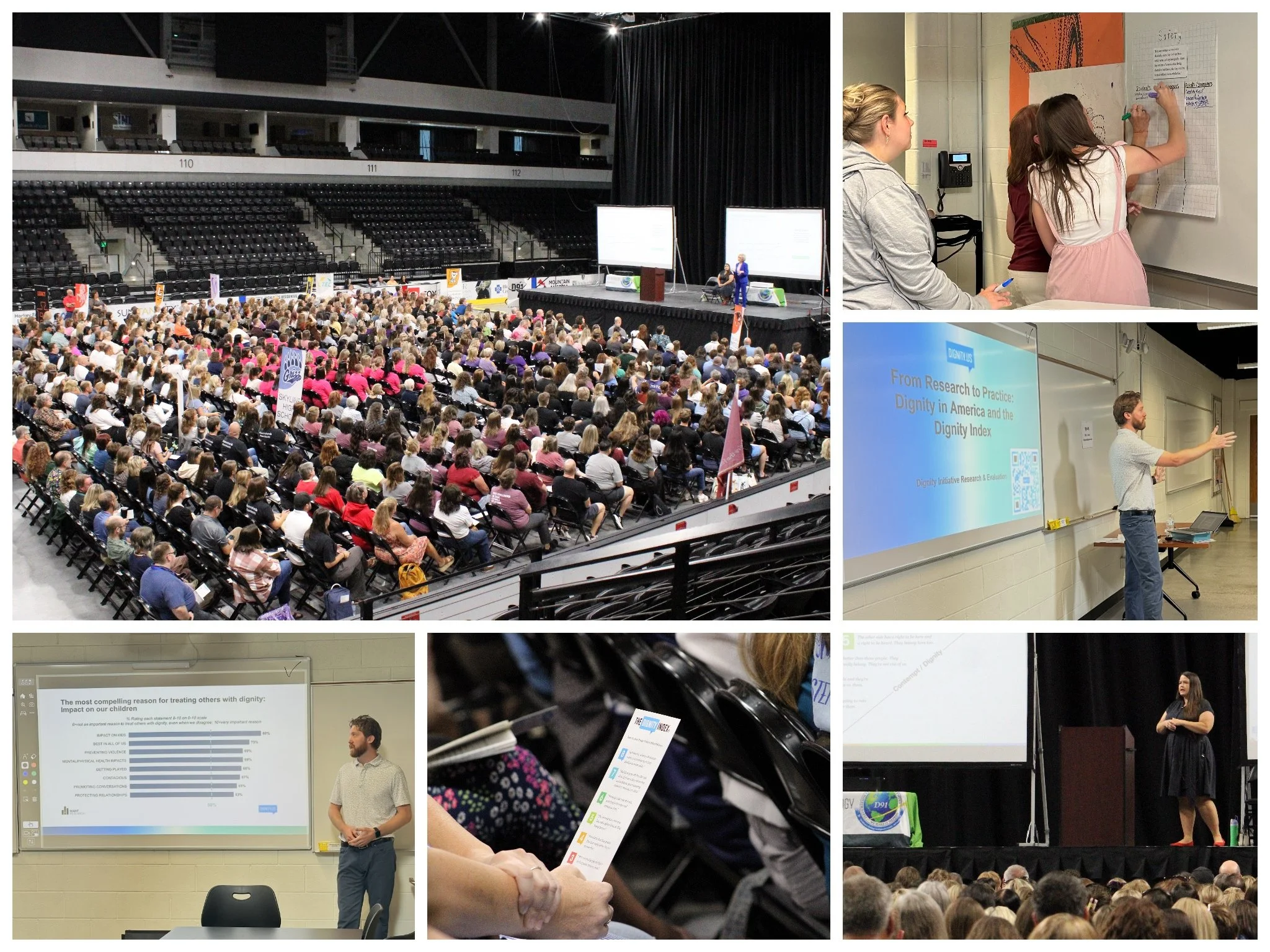
Back-to-School season has taken the K-12 team from Idaho, to Wyoming, to Massachusetts! Last week, Karren from K-12 and David from Research spent two days with Idaho Falls School District 91. They began with a district-wide convocation and continued with breakout sessions exploring the Dignity Index more deeply, including elementary and secondary applications, the 10 Elements of Dignity, and the research behind the Index. From school counselors eager for new ways to bring dignity into their lessons, to arts educators thinking creatively about recognition, safety, and independence, staff brought their own experiences and perspectives to rich conversations about what dignity can look like this school year.


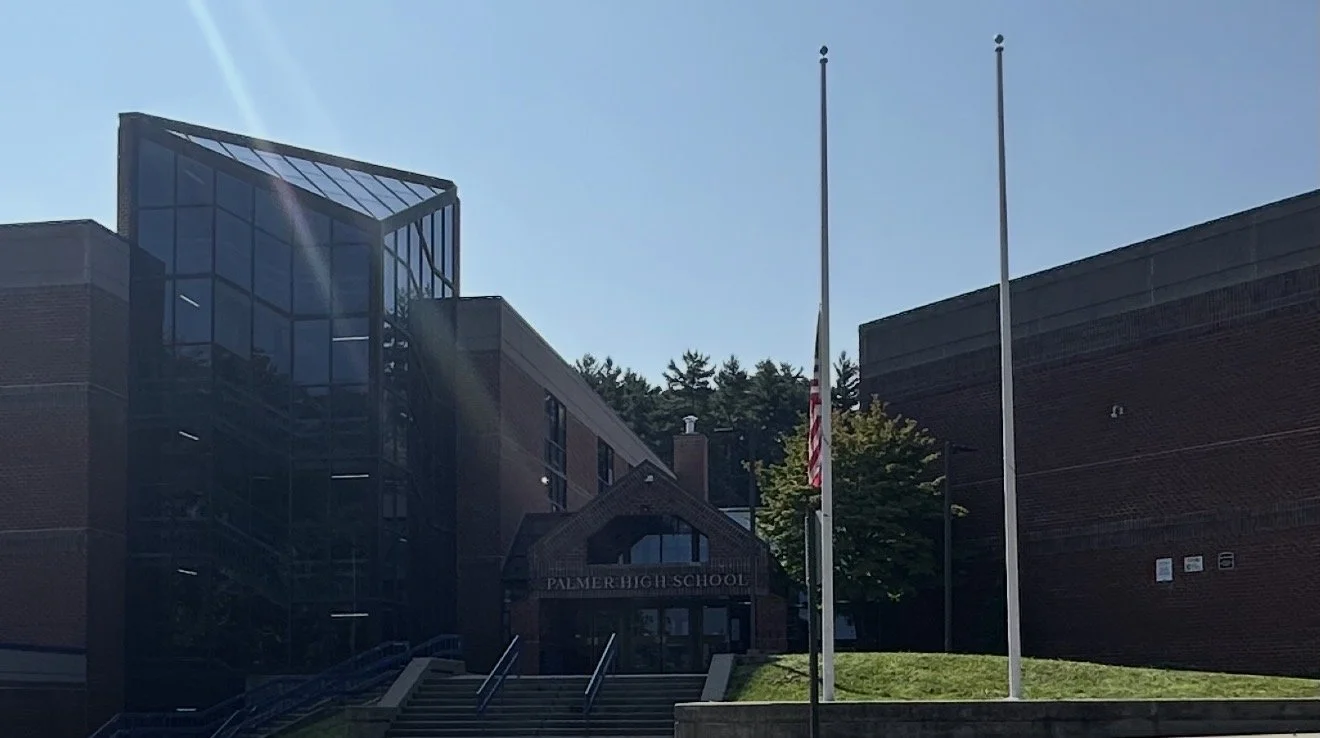
The next stops were Pinedale, Wyoming, where district staff worked together to define what dignity looks like, sounds like, and feels like with students, colleagues, and families, and Palmer, Massachusetts, where Karren joined the district's back-to-school convocation. While there, she connected with student leaders interested in joining the growing Students for Dignity movement. As schools across the country begin a new year, we're grateful to be invited into these culture-setting moments and encouraged by the educators and students who are asking an important question: What would it look like to make dignity part of how we do school every day?


Help grow a culture of dignity.

Share this newsletter with a friend, colleague, or family member.

Follow us on social media for daily examples, insights, and resources.

Become part of our Dignity Community to connect with over 700 people committed to practicing dignity. Join us for LIVE chats, exclusive content, and more.

Join our book club. This month we’re reading “Profiles in Courage.” Our second meeting is on Wednesday, August 26th. Register here

Support our work with a donation to help us create more free tools, research, and educational resources.

Invite us to your community, school, workplace, or organization to bring a Dignity Index workshop or keynote.

Next
Next

Old Friends