By Tim Shriver| CEO and Founder, Dignity.Us
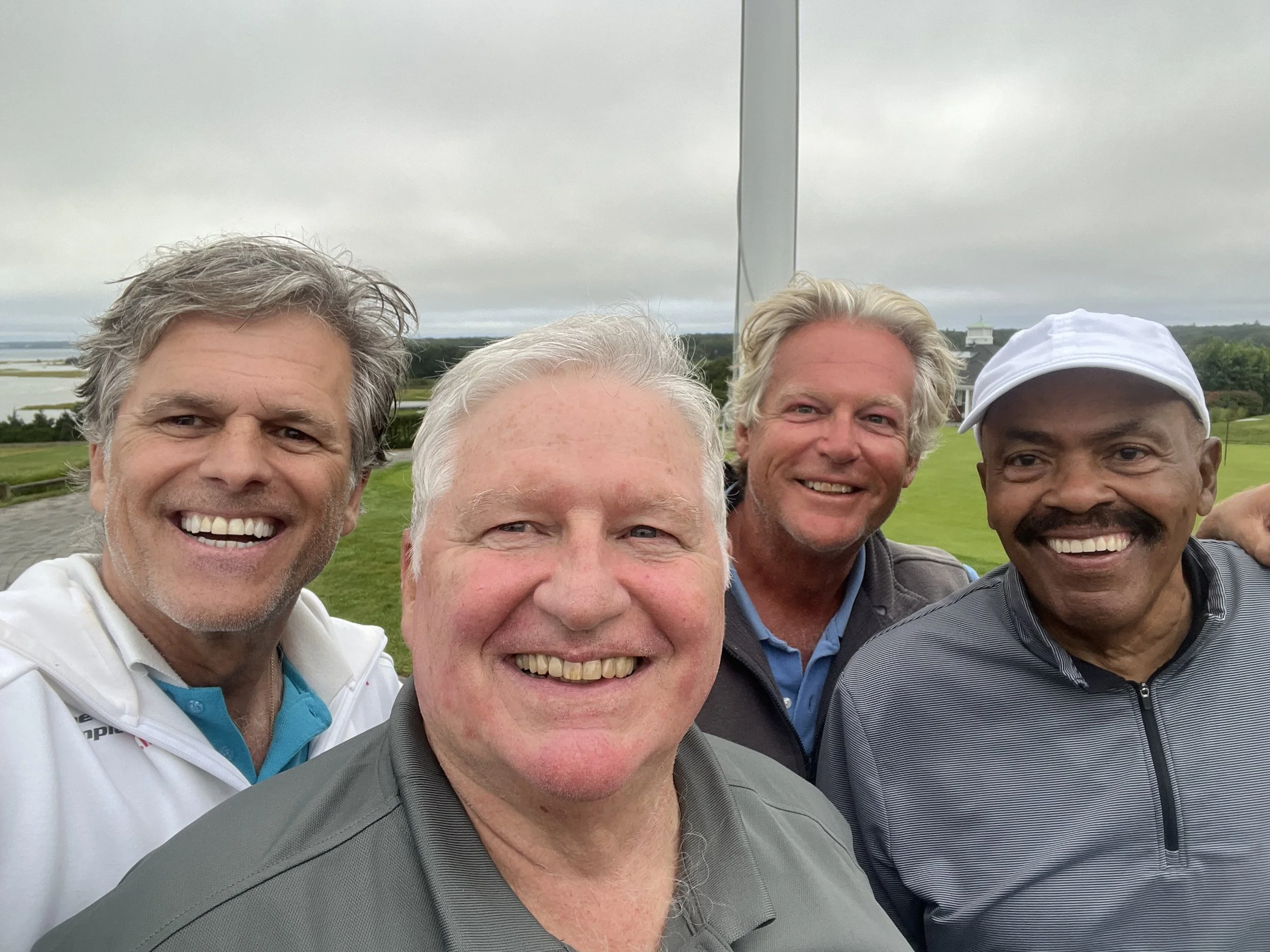
A few days ago, two of my oldest and best friends, Bob Brown and Beau Doherty, came to visit my wife Linda and me on Cape Cod. I met Bob 46 years ago, when he interviewed me for a summer teaching job. I was eager, open, and completely inexperienced. Thank goodness, he hired me! And I met Beau 36 years ago when I interviewed him for a job at Special Olympics Connecticut. He was bold and experienced and joyful. Thank goodness, we hired him! These guys are old friends, and old friends are a special treasure in life.
Bob, Beau, and I see each other rarely—we’re lucky if it’s more than once a year. When we do, we laugh, we play golf (extremely poorly), we tell stories that we’ve told a hundred times before, and we laugh some more.
Last week, we caught up about each other’s lives—both Bob and Beau are retired now, but they’re busy! Bob is now a primary caretaker for his mother-in-law, who is 102 years old. He describes her wit and sharp mind and how happily she bosses him around. Beau leads nature tours, cares for his granddaughter, and cheers for his wife Holly’s new business. Retirement is full-time work!
They’re both men of faith. Bob sings in his church choir (only a little better than me!). Beau occasionally delivers the homily as a deacon in his church (I can’t imagine what advice he gives!). Bob also serves on the board of UNITE and has been a champion of the dignity movement. Beau complains that I don’t treat him with dignity at all. And we laugh some more.
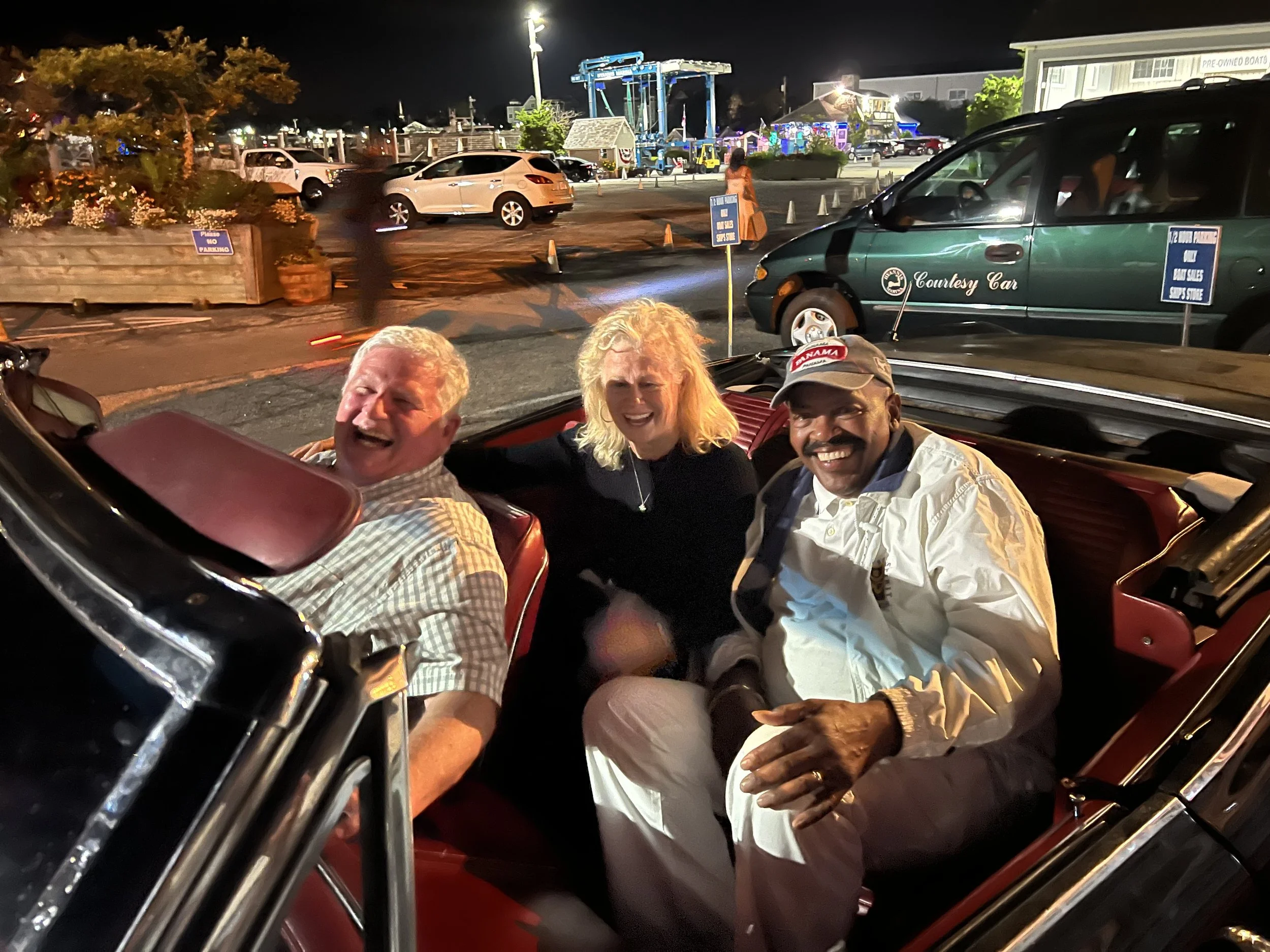
There’s an important insight that came to me as the 3 of us rambled around Hyannis Port and ate big meals and took silly pictures (and laughed!): our friendship might never have happened. We come from very different backgrounds and cultures, and if we hadn’t worked together, we could very easily have judged one another and distrusted one another and resented one another.
We became friends not because we are alike, but because we joined communities where dignity was expected and we had a common purpose. We’re from very different backgrounds. Bob grew up on the north end of Hartford in a big family that lived in a housing project and was interested in education. Beau grew up between Massachusetts and Minnesota in a working-class Irish/Scottish family and was interested in wildlife. And I grew up with great opportunity and advantage in a family that cared about politics. Still today, we have differences in race, politics, religion, income, and more. But decades ago, without realizing it, we crossed divides that could have rendered us antagonists and found each other as friends.
That’s what we’re trying to create in the dignity movement—to create opportunities for relationships of common purpose to develop despite cultural, economic, or political differences. When I met Bob, I wanted to be a teacher and make a difference in the lives of my students, and he was a master at both. When I first met Beau, I was a Special Olympics volunteer who wanted to build a movement focused on strengthening relationships between people with and without intellectual challenges, and he too was a master of both. Over all these years, we’ve had tons of disagreements, but over almost the entire span of our friendship, we’ve stayed on the top of the Dignity Index scale.
When Bob and Beau left to return home, I looked at the back of our “Dignity Index” card—to see what skills helped us navigate our friendships. “Build up rather than tear down,” jumped out at me. That’s Bob in a nutshell. When I was a young teacher, I made more mistakes than I can count—some of them big. Bob never told me the mistakes were ok, but he helped me change by pointing out a strength I needed to develop. He built me up. Thank goodness.