By Tim Shriver| CEO and Founder, Dignity.Us
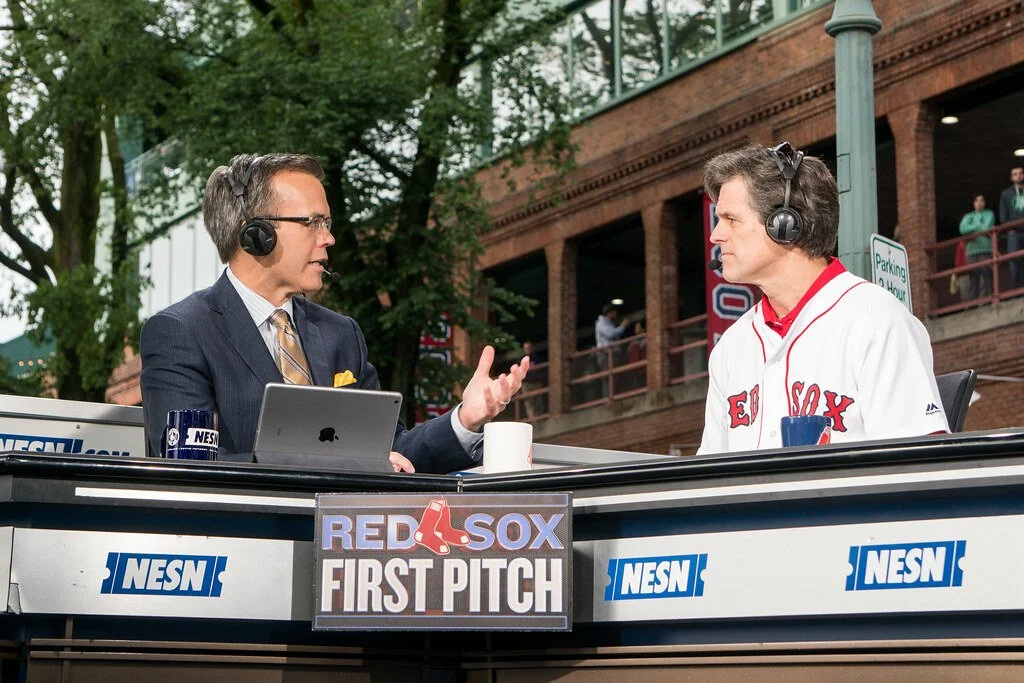
I’m a big Boston Red Sox fan, so I’m celebrating that they made the playoffs this week. This is the second year in a row that they’ll be in the postseason and the second year in a row that the Sox will play in the first round against their biggest rivals, the New York Yankees. I can’t wait!
But I have a confession to make: I gave up on the Red Sox in the middle of the season. In mid-June, the team’s record was 32 wins and 46 losses. They were one of the worst teams in all of baseball. I hate to admit it, but I thought the season was hopeless.
What happened next is now history. The Sox had one of the best months of any team in history. They won 15 games in a row and surged back into contention. Little-known players made big plays.
Teammates picked each other up. Confidence surged. Within a month, the whole dynamic changed. They looked like champs.
I thought of the Red Sox turnaround when I was recently asked if our “dignity movement” could possibly change the culture of our country. “How can you possibly win a campaign against contempt,” I was asked at a gathering in Washington, “when the odds against you are so overwhelming?”
I have no doubt that we can and will prevail, and the Red Sox example might help us see how. First, in the face of the worst, the general manager, Craig Breslow, believed in his judgement about what was most important—not just in the numbers of his team’s wins and losses. “I always try to be guided by what I believe to be right and best,” he said. “My confidence and belief…was consistent.”
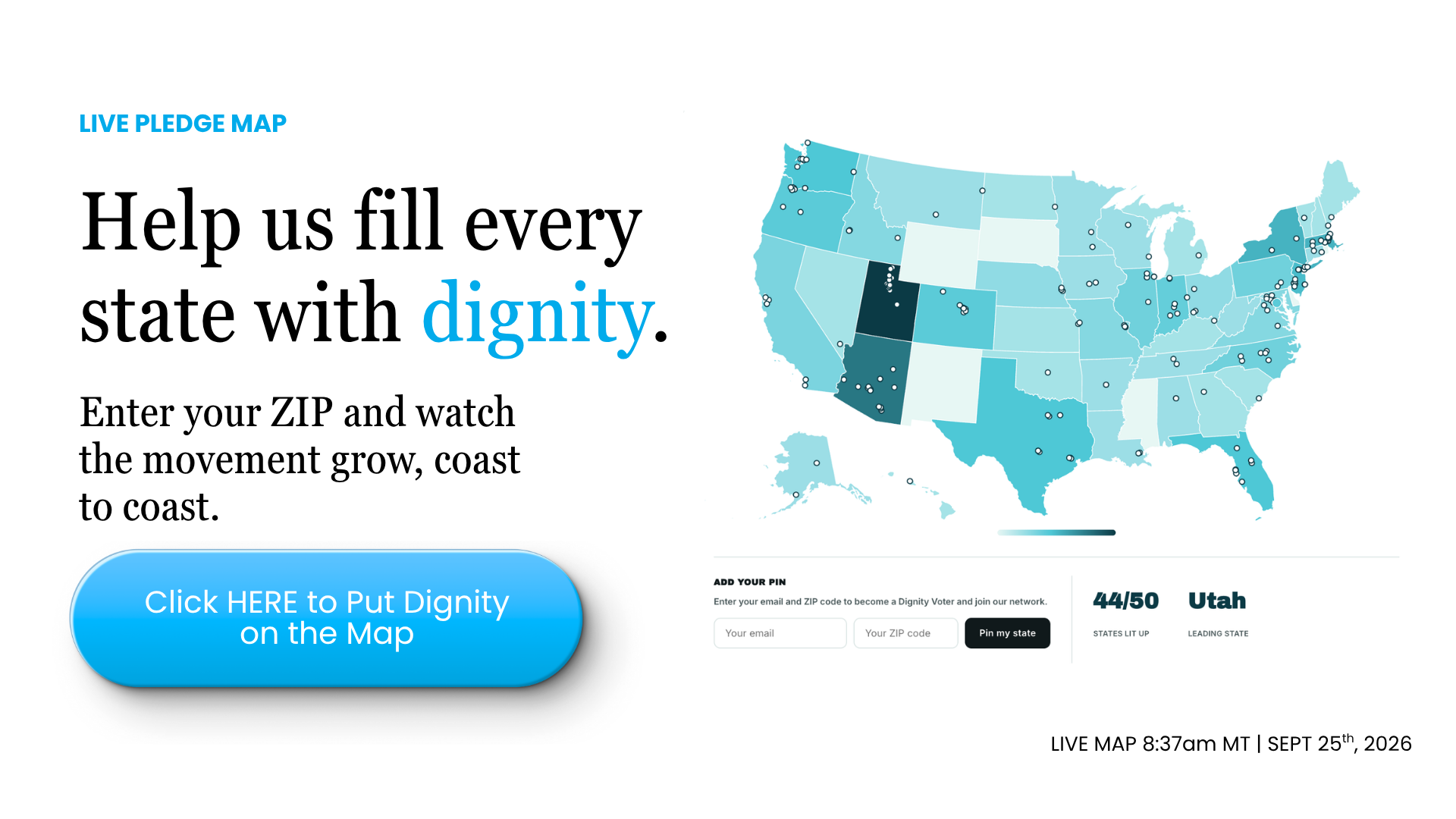
Consistent confidence and credible belief are qualities I see in our movement all the time. Just last week, I shared the Dignity Voter campaign with a small faith-based group. One participant, my friend Trish, came to me after and asked for 1000 Dignity Voter cards! “I want to distribute these in apartment buildings in my neighborhood and all over Capitol Hill too,” she said. Talk about confidence and belief! Trish is brimming with it.
The brilliant organizational psychologist, Adam Grant, has a new book that helps explain why the qualities of both Breslow and my friend Trish make the difference. In “Vibe: The Secrets of Strong Connections in a Lonely World,” Grant analyzes what will matter most in the age of AI: “human judgement is going to supersede expertise,” Grant said. “Pre-AI, what was rewarded and valued and promoted was how much information you had in your head…(Now) the differentiating skill set or capability is: can you recognize patterns? Can you synthesize lots of disparate pieces of information? Can you figure out what perspectives are credible and which ones aren’t?”
That’s what we in the dignity movement have been developing: judgement that helps us see patterns and possibilities that might not be obvious to everyone. Most people today, for example, see differences that lead to hopelessness. But we’ve come to see a different perspective: common values that could inspire a change in direction.
I was recently a guest, for example, on “The Michael Smerconish Program.” As he and I talked, he polled his viewers with this question: “Is a candidate's civility toward opponents a factor in your vote?” More than 87%—or 26,499 people said “yes!” to this instant poll. We see in that response a possible change in our country’s direction that hasn’t happened yet, but could happen soon. The political scoreboard might not show that dignity is winning, but our judgement is that the vast majority of us want it to—and it will.
But it isn’t just us who see possibilities for change beneath our current culture of contempt. Dallin Oaks, the President of the Church of Jesus Christ of Latter-Day Saints, delivered an historic speech at the National Cathedral last week expressing his confidence that despite the grim nature of our current political culture, the values and principles captured in the US Constitution will prevail. “I am grateful to be here in this sacred setting…” Oaks said, “to find a better way to embody the love of God in public life, offering hope for unity.”
He went on to suggest not just his hope, but his judgement that the Constitution is divinely inspired because it rests on the “principle that the source of government power is the citizens…Knowing that we are all children of God gives us a divine vision of the worth of all others and the will and ability to rise above prejudice and racism.”
President Oaks, my friend Trish, Michael Smerconish, and the thousands of you who are committed to treating others with dignity are the reason so many of us have confidence that we can shift the dialogue in our country and create a new culture of dignity. Adam Grant reminds us that in the time of AI, we need new skills to create movements.
In his framing, ability is being replaced by agility; knowledge by pattern recognition; analysis by synthesis.
That’s us. Our movement is agile; we spot patterns and possibilities where others are distracted by stale information; we do our best to synthesize insights that can produce breakthroughs. We can all join in this work by becoming Dignity Voters, by removing contempt from our relationships, by asking others to do the same. Those are the keys to winning.
When I heard that well-intentioned question last week about our chances of success—or lack thereof, my response was almost spontaneous: “Dignity will prevail because it’s what people want. And ultimately, I am confident that people are going to choose what they want.”
It may seem like a long shot, but my Red Sox were thought to be hopeless and next week, they’ll be competing for the World Series. In baseball and in America, winning springs from shared values, new insights, sound judgement, and teamwork. Those are the qualities in so many of you that give me hope. I’m sorry I gave up on the Red Sox, but I won’t give up on us!
Tim Shriver