Dignity Stories
By Tom Rosshirt | Chief Strategist & Director of Research, Dignity.Us
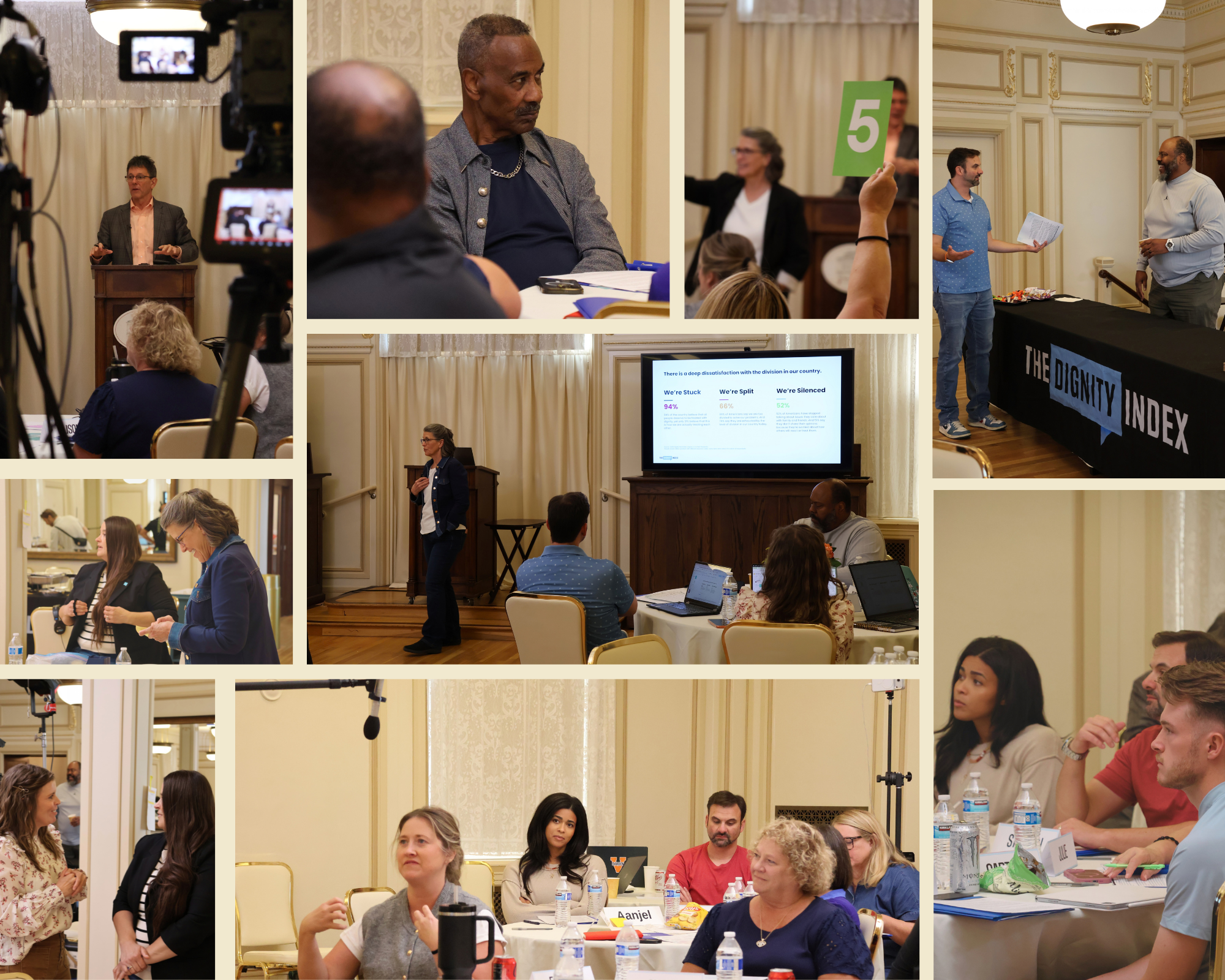
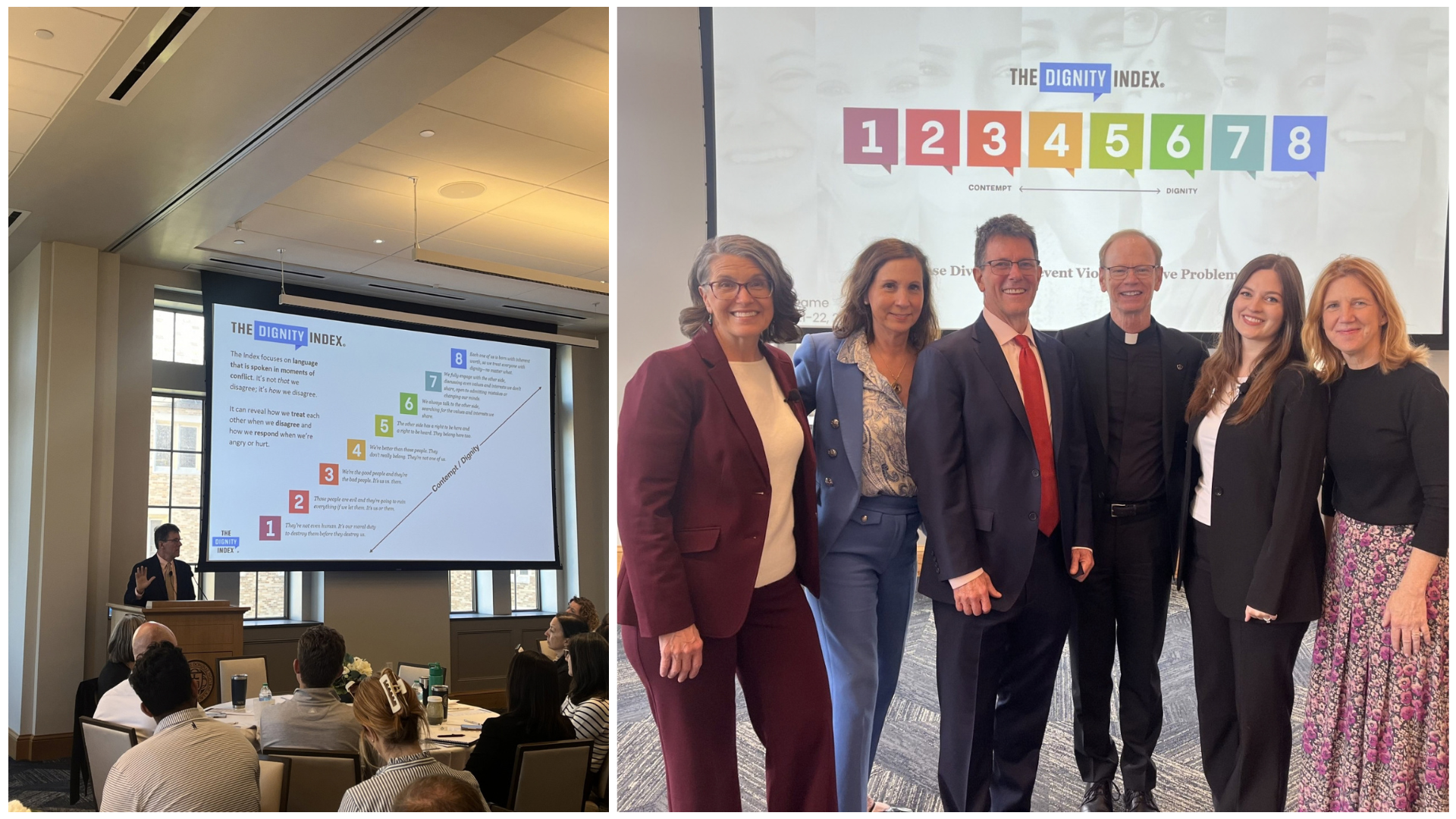
The most popular segment in our last few Dignity Index workshops has been the session led by Karren Pyfer on telling Dignity Stories. We all love this part of the work.
“Dignity stories” is a tradition that Tim Shriver pioneered years ago in our staff meetings, always asking us at the start, “Does anyone have a dignity story to share?”
What is a Dignity Story—and how does it differ from an ordinary story?
We could debate this all day (and we probably will!), but I’m going to argue that a first-rate dignity story has three elements. The first is “intimacy.” The storyteller is opening up, sharing something personal. It may border on saying: “Here is something I don’t want you to know about me.” That level of intimacy commands attention and sympathy.
The second element is “change”—the story relates an event that changed the storyteller, or changed the course of their life, or at least changed the moment. The third element is the moral of the story. In a good dignity story, the moral of the story is almost always a version of: “contempt tears us apart, but dignity can bring us together.”
That’s the lesson in most every dignity story.
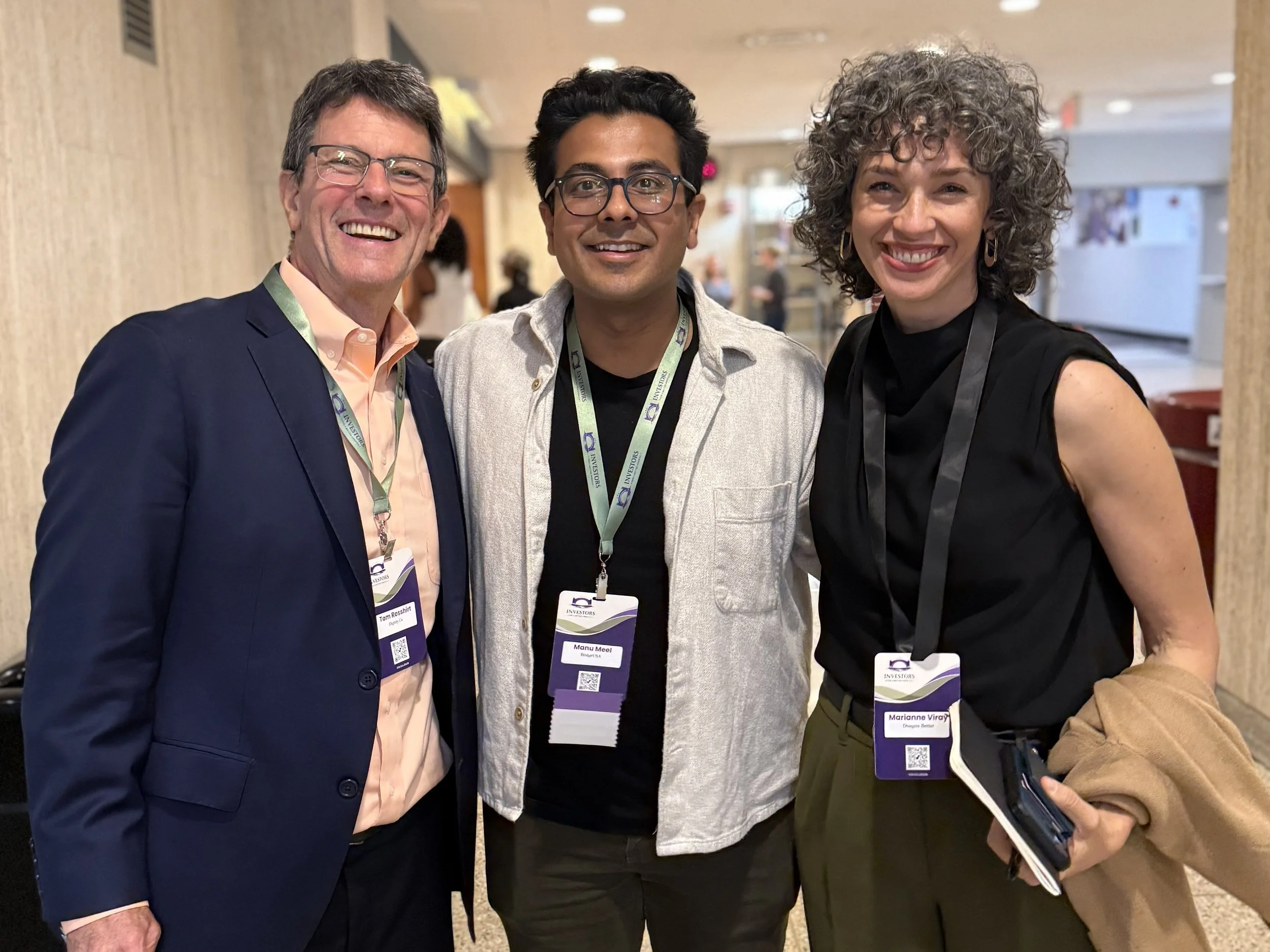
Left to Right: Tom Rosshirt, Manu Meel (CEO of BridgeUSA), Marianne Viray (Disagree Better)