One Question

By Tim Shriver| CEO and Founder, Dignity.Us

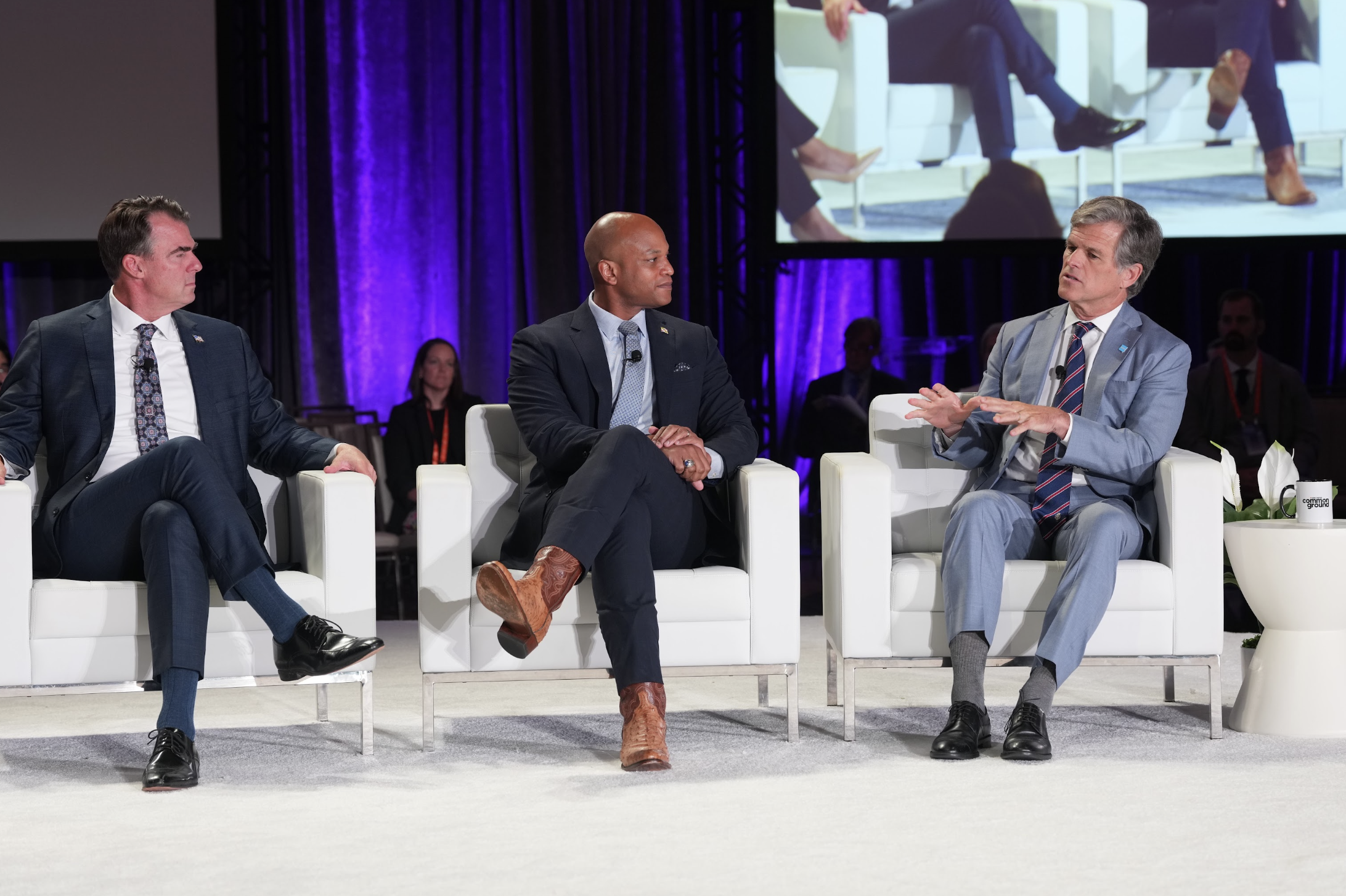
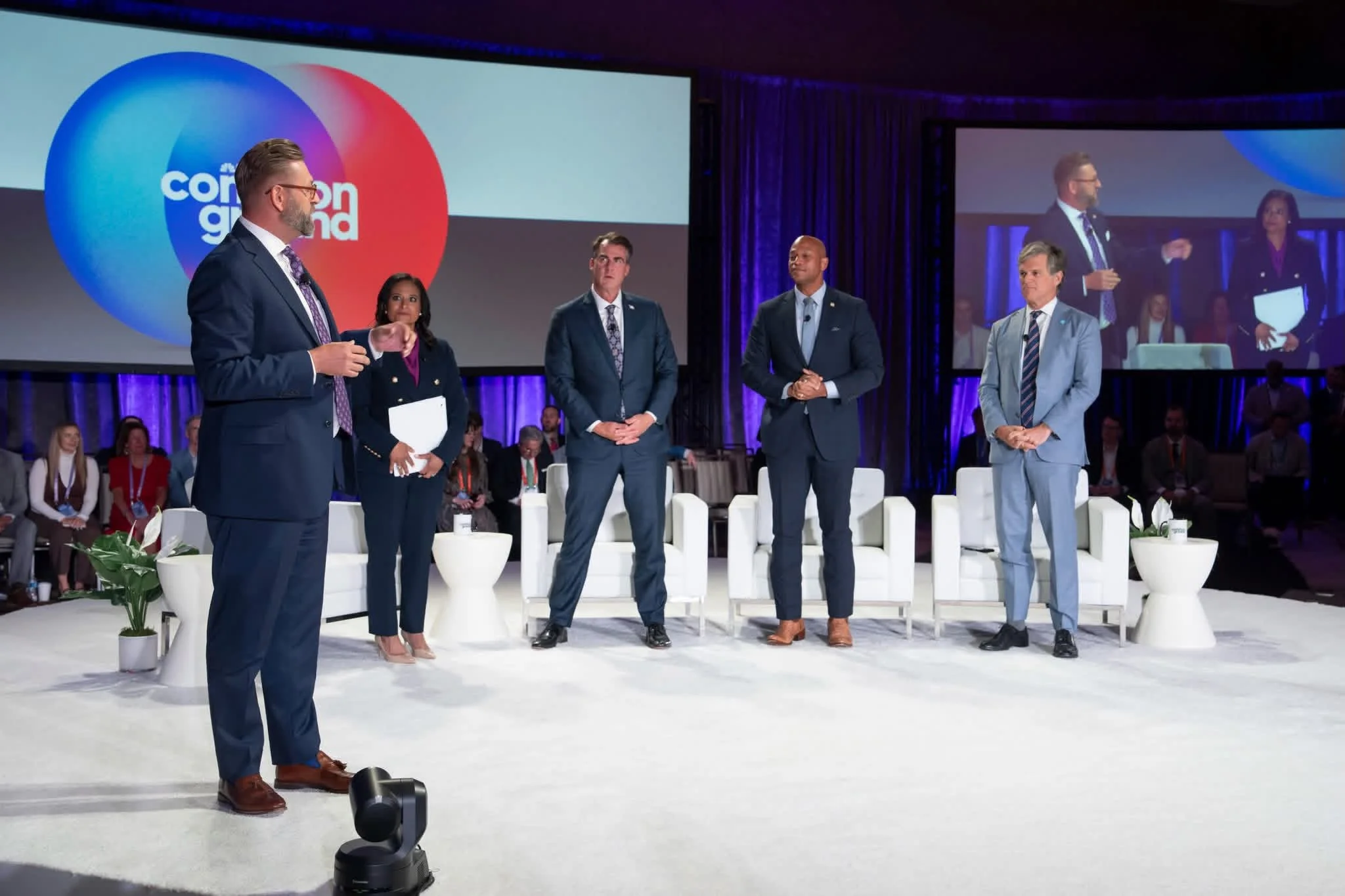
Last week, the National Governors Association, under the leadership of CEO, Brandon Tatum, outgoing Chair Governor Kevin Stitt of Oklahoma, and incoming Chair Governor Wes Moore of Maryland, announced a major new initiative: “The Center for Dignity in Politics.” The Center will support Governors who want to lead with dignity. It’s a game changer.  

If the Center were to accomplish only one task, it would be this: it would ask every political leader in America to reflect on this question: “How do I treat others when I disagree?” The Center’s mission is basically to invite our country to reflect on that one question and to support those who want to do better. As we know, 94% of us believe that people should be treated with dignity. The Center is going to give that huge majority a home for trying to fulfill that belief.

I was honored to join Governors Stitt and Moore, together with NBC’s Kristen Welker for the announcement in Oklahoma City last week. Honestly, it was almost surreal.  

Governor Stitt kept emphasizing that when we treat each other with dignity, we often discover that we’re much closer to each other’s positions than we’d thought. The data backs him up. Polls show that the majority of Americans agree on many issues, even ones that have been labeled divisive, like gun rights and education.

Governor Moore emphasized that our shared dignity is revealed when we serve together for a common purpose. “Service can save us” is his rallying cry, and the data backs him up too. According to the American Academy of Arts and Sciences, 74% of Americans agree that “it would be good for our country if more people participated in service.”  

As I sat on the stage listening to these leaders, I found myself almost slipping into a dream world. Governor Moore quoted scripture as he emphasized the biblical call to back up our words with actions, and it felt like a prayer. Governor Stitt spoke repeatedly of his Democratic “friends” and how much he loved and respected them. All of us spoke of our children—of how much sadness and loneliness there is among them and how much we want to do better by them. I don’t know about you, but I don’t think prayer and friendship and healing children are common enough in our politics.  But there we were, praying, befriending one another, committing to trying to do better.

The late monk, Thomas Keating, once wrote, “The divine energies are rushing past us at every nanosecond of time. Why not reach out and catch them…” I doubt Fr. Keating imagined me catching divine energies in a national governors meeting, but honestly, that’s what it felt like. It wasn’t that it wasn’t political. It was. There were weighty discussions about issues like education and regulation and federalism. But somehow, it felt like we were in it for each other and with each other too. And when we’re in it together, it feels like we’re closer to divine energy.  

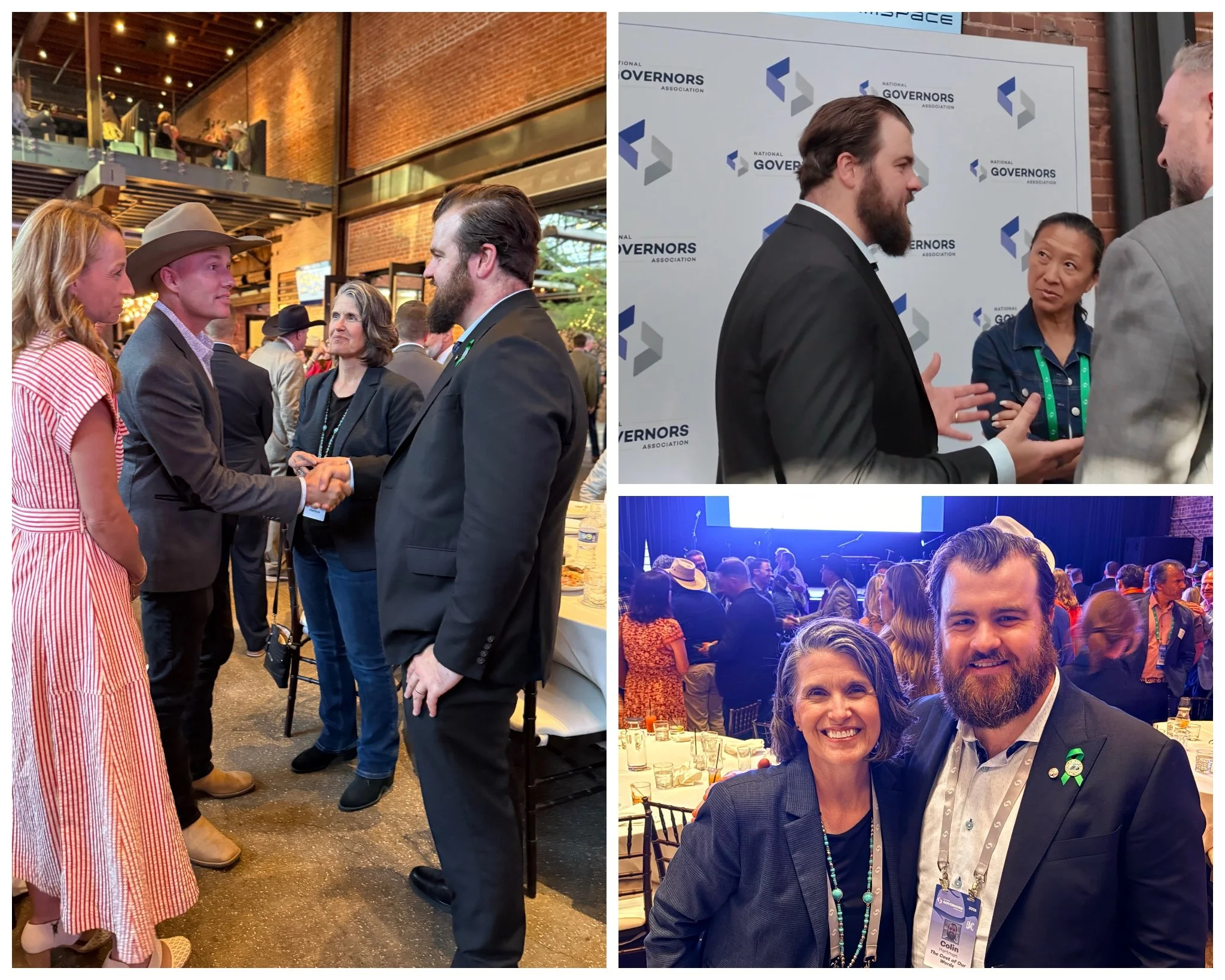
There were amazing people off stage too. Colin Hortman, whose parents were murdered in their own home last year by a politically motivated killer, was in the audience. He and I spoke quietly for a few minutes about trauma and grief. “But what I want to do,” he told me, “is to devote myself to dignity. I want my parents’ legacy to be more dignity in our country.” I was blown away by his energy too.

Kristen Welker was terrific. She moderated 4 panels of governors and has launched a series at Meet The Press devoted to “common ground.” She told me she wants to do more to cover the dignity beat. “Our stories on common ground are getting huge audiences. Let’s keep them coming.” I’m grateful that Welker is proving that the dignity story is a popular story too.

First Ladies Abby Cox of Utah, Lauren Meyer of Delaware, and Sandra Rhoden of South Dakota were all there, having recently been to the Special Olympics USA Games in Minneapolis. Each of them is committed to bringing more Special Olympics Unified Sports to their state’s schools and there’s nothing that promotes dignity more than children with and without differences playing together. First spouses are too often misunderstood or not noticed in our politics, but they’re often the ones leading on dignity.  I’m grateful for their presence and commitment too.

It’s been a tough summer for so many people in our country and around the world. Wars still rage. Fires burn. Prices rise. Technology scares. Politics divides. It’s not easy to make the case that we can have a politics of dignity.

But I’m bullish on dignity. Last week, I wrote to my cousin who is also the Secretary of Health and Human Services. I tried to express my fierce opposition to any effort to promote the institutionalization of people with intellectual disabilities. But I tried hard to keep the one question that matters front and center in my mind: “How am I treating him as I disagree?”

Here’s the letter. Take a look and tell me how you think I did.  

I’m sure I can improve. After all, that’s the founding principle of the Center for Dignity in Politics. With prayer and friendship and service and inclusion, we can all do just a little better. And I really believe that we can get closer to feeling the divine energies that are rushing past us all the time.  I’m grateful to be on the path to trying with all of you.    

Tim Shriver


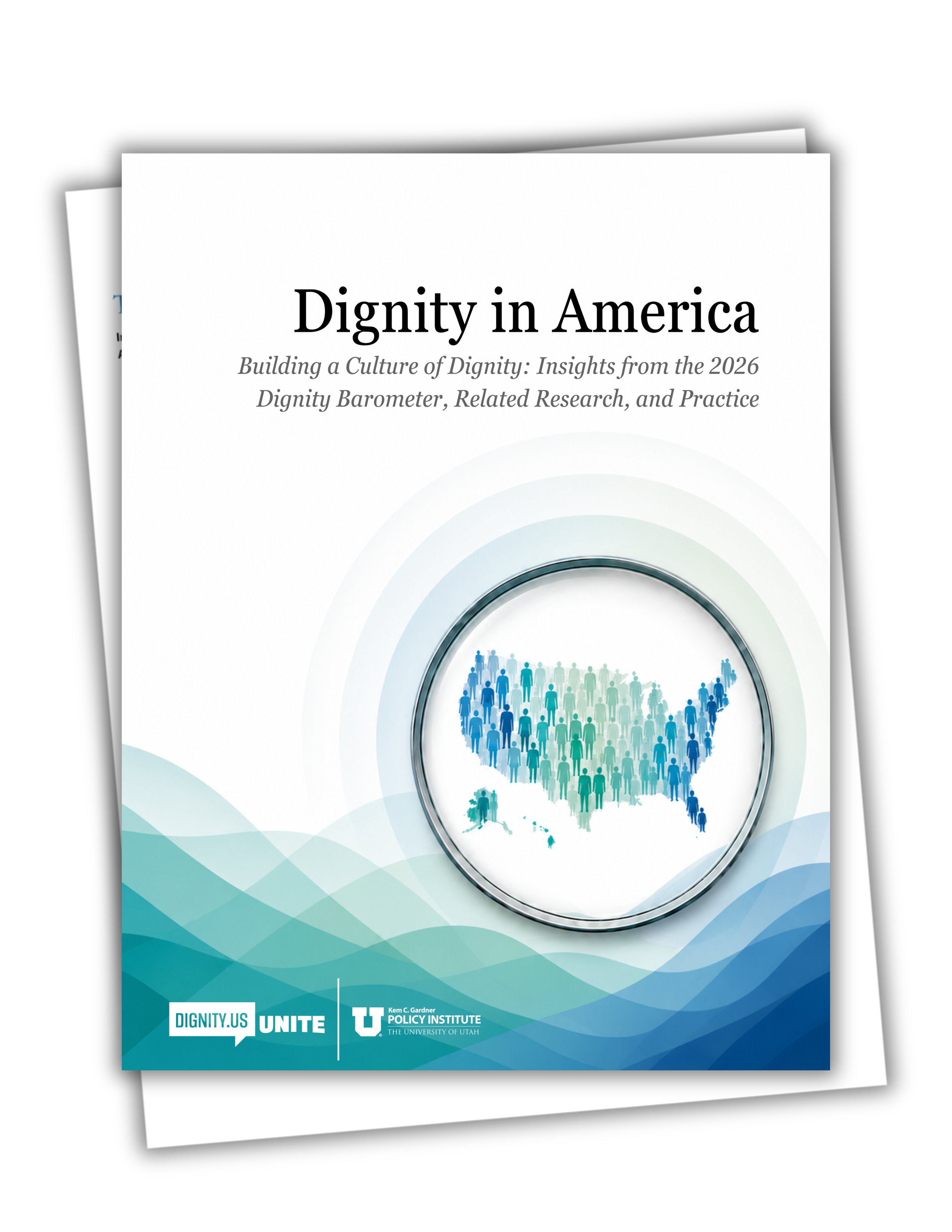
We're excited to share that today we're releasing a new report: Building a Culture of Dignity: Insights from the 2026 Dignity Barometer, Related Research, and Practice

Building on three key dignity gaps revealed by the 2026 Dignity Barometer, the report draws on behavioral science, social norms research, and related scholarship, to explore why they exist, what keeps them in place, and how they can be narrowed.

It also examines how education, practical tools, and cultural change efforts can help people better align their actions with the values they aspire to live by.

You can read the report here.

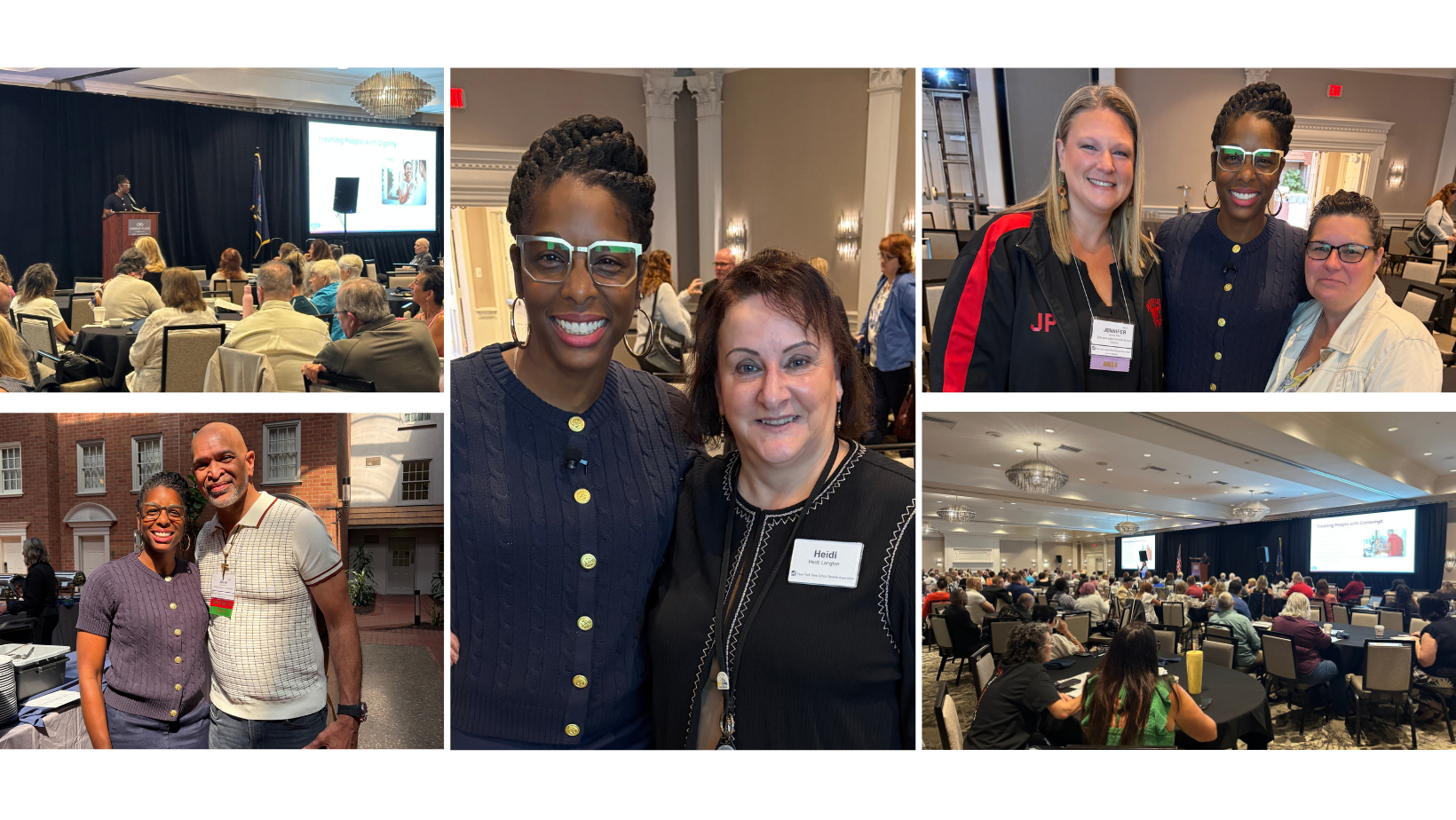
The Dignity Index was honored to be part of the New York State School Boards Association (NYSSBA) Leadership in Education Event, where Meghan Monroe delivered the closing keynote to nearly 200 school board members and district leaders from across New York.

The session explored how dignity-centered communication can strengthen leadership, build trust, and foster healthier school communities—even in the midst of challenging conversations. We are grateful to NYSSBA for the opportunity to share this important work and engage with leaders committed to supporting students, educators, and their communities.


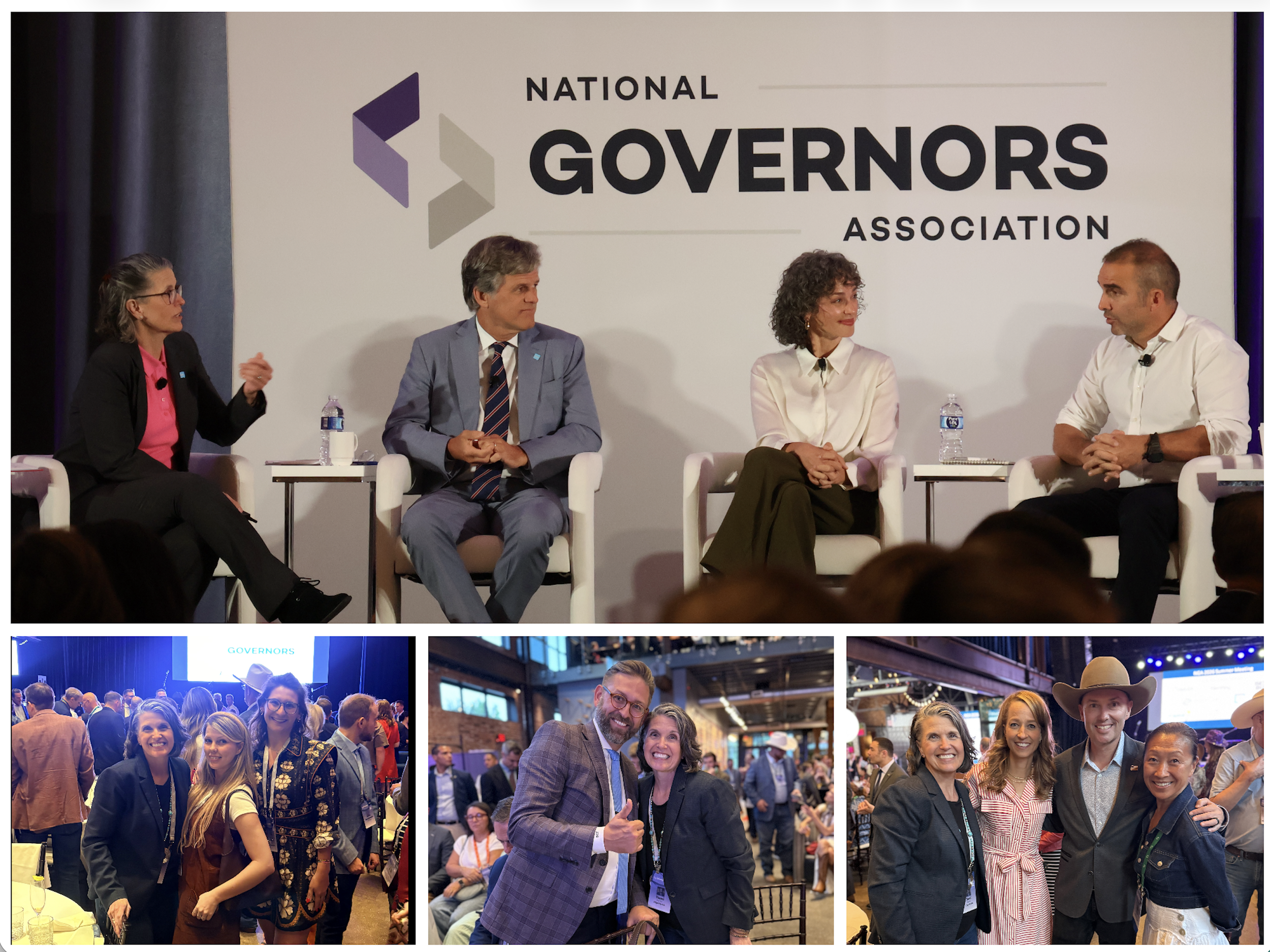
Joining Tim at the NGA meeting was Tami, who led a panel with Tim, Marianne Viray from Disagree Better, and Ben Goldhirsh, from Matter Neuroscience, who created The Party Line project. They spoke to a packed room about the intersection of our collective work.

We were also joined by our communications team, Stephanie and Haley, who managed our media interviews, videos, and social media posts. These behind-the-scenes powerhouse women are key to amplifying our message!

 
Next
Next

Let’s Solve this Riddle