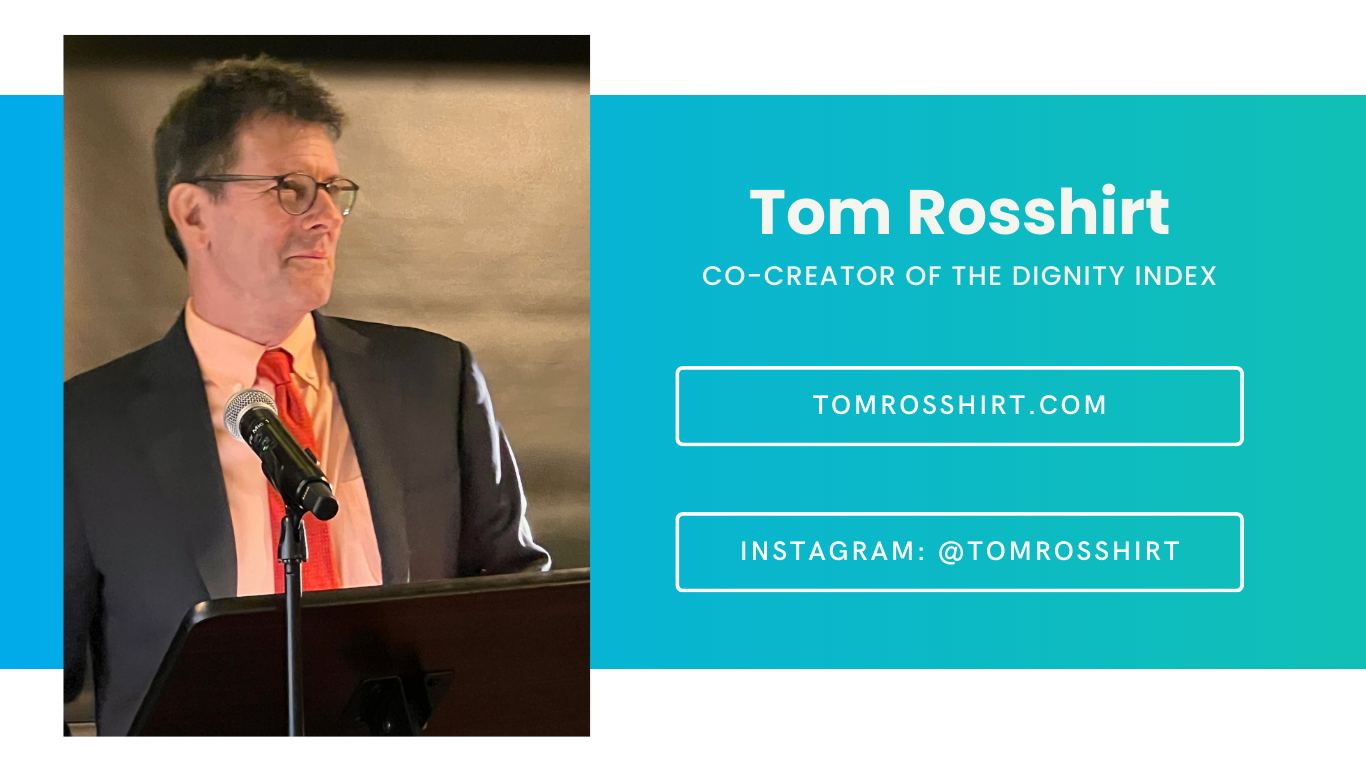
A week before Thanksgiving, I was speaking at an online event hosted by R Street Institute, a center-right think tank here in Washington, DC. We came to discuss the causes of political violence, and on the panel before mine, I was lucky to hear from author Noah Rothman, who is a senior writer for the National Review.
He was describing people who commit acts of political violence and said that when violence occurs: “On those siloed networks where these individuals spend a lot of their time, those acts of violence encounter a broad cheering section, where the individuals find or deduce a rationale for otherwise incomprehensible and senseless acts of violence.”
He then said about the cheering sections on the siloed networks: “We can contribute by exposing them and not pretending they don't exist and not minimizing the effect that they have on the discourse.”
For me, the dark motivating power of the “cheering sections” is a crucial insight for several reasons: first, it is true; second, it is important; and third, it applies not just to the siloed extremist networks that applaud violence, but to many of the more mainstream groups that don’t explicitly encourage violence, but create cheering sections that encourage contempt for the other side.
From our point of view at the Dignity Index, political violence is the natural endpoint of contempt, which starts with the view “you people aren’t one of us; you don’t really belong” and accelerates through: “we are right, you are wrong” to “we are good, you are bad” to “you’re trying to ruin the country, we’re trying to save it” to “we have to destroy you before you destroy us.”
When contempt keeps escalating, the intensity of the verbal attacks creates so much addictive craving that once the language reaches its rhetorical peak, there is no way to keep the buzz rising except to call for violence and act on it.
And the person who acts on it becomes the hero to the people cheering him on.
Have you ever been in a situation where a person, likely a bully, was treating someone else with contempt, and was getting approval and applause from the people they were trying to impress? What if the scene suddenly shifts, and the audience turns against the bully and shows sympathy for the victim? (This is a theme in more than a few movies!). The bully loses his cheering section, which means he loses a big chunk of his power.
So, what cheering section are we sitting in?
Are there people who use contempt to gain money, wealth, and power who can count on our support? Can they count us as part of their cheering section?
This is one place where we have some power to change our culture—by checking out of the cheering section that encourages contempt and becoming part of the cheering section that rewards dignity.
Contempt had its chance to show it could make things better. It failed. It’s our turn now.
- Tom