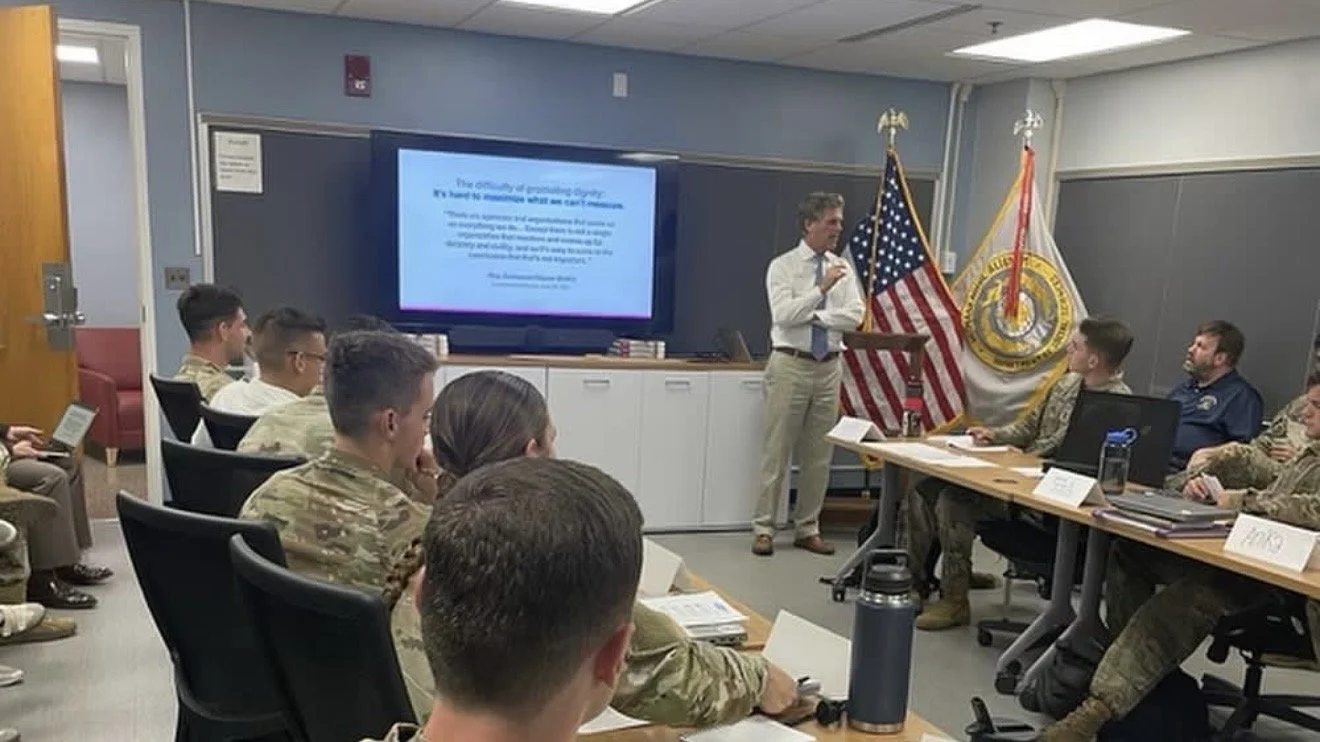
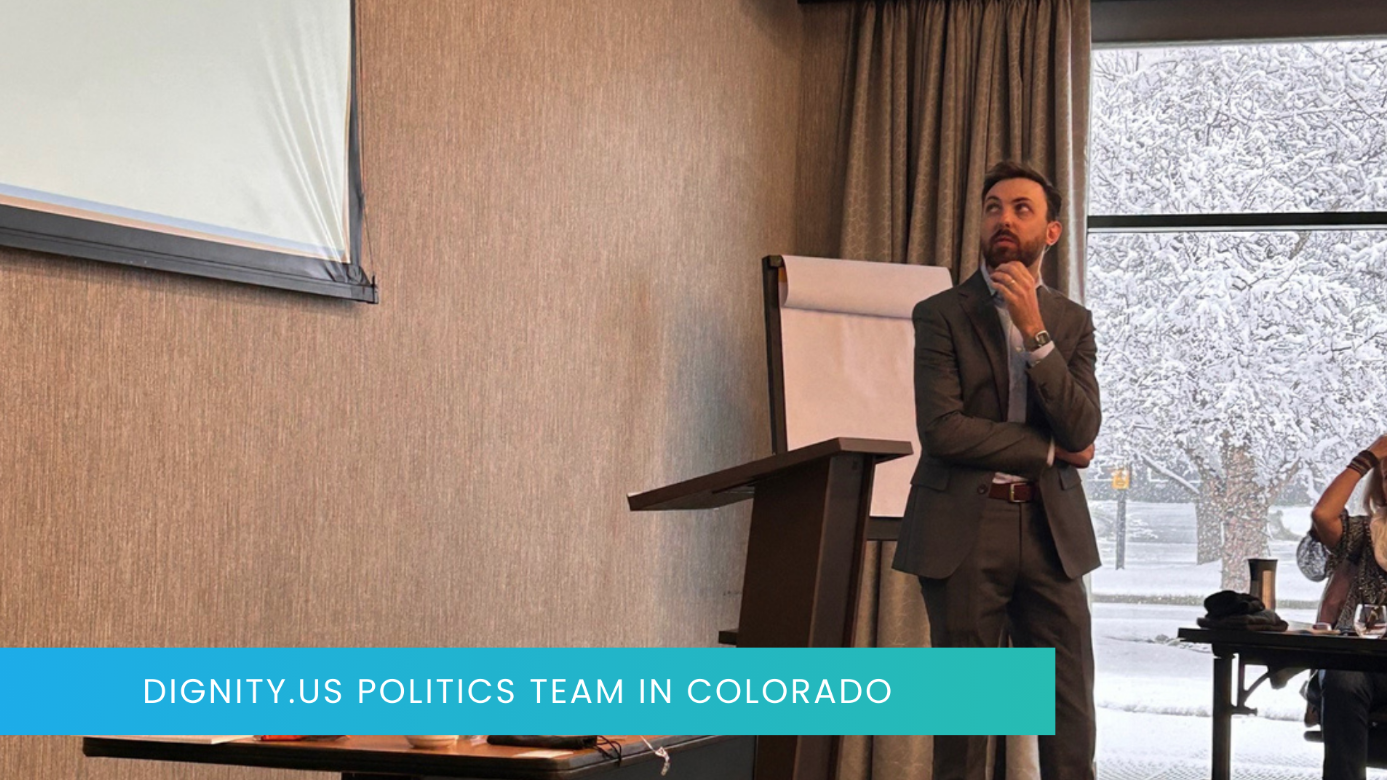
When I visited West Point 18 months ago to teach cadets about our work in the dignity movement, I was worried that my message would be controversial.
I found the opposite. The students welcomed me and were fascinated by the Dignity Index. They saw it as a tool for evaluating the military decisions they were preparing to be able to make. “We’re taught that war should be limited to a specific outcome, be as brief as possible, and result in the least possible casualties to citizens,” one cadet shared. “You could almost say that we’re trained in how to preserve dignity in war to the greatest extent possible.”
Now our nation is at war, and those cadets I taught, along with thousands of other Americans, are risking their lives for us.
Young American men and women have been killed, leaving behind families and a nation forever heartbroken. Loss of life among Israelis, Iranians, Lebanese, and others is already tragic. Some will argue about who is at fault. Others are left to mourn for the rest of their lives.
As a person who aspires to a world where the dignity of every person is recognized and protected, I pray for a quick end to war. I pray for a clear path to peace. I pray for the safety of citizens. I pray that we recognize that war is a sign of a great failure to solve problems. I pray that leaders might see the dignity of all. I pray that we might somehow learn how to heal our tendency to see the moral failures of others and demonize them. I pray that we might somehow overcome hatred with love.
Somehow. Someday.
Few of us can affect the outcome of this war. But all of us can learn how to solve problems with deeper listening, bolder truth-telling, and more creative thinking.
A recent poll shows that Americans are the only nationality that feels that their fellow citizens are “bad people.” Yes, the United States was the only country where more adults describe the morality and ethics of others living in their own country as bad rather than as good.”