What Are We Allowed To Say?

In 1954, the Supreme Court ruled that segregated schools were unconstitutional, and just 8 years later, in 1962, the Court ruled that public schools could not offer prayer.  These two landmark decisions, combined with larger cultural shifts, placed schools in the middle of our country’s culture wars.

As a young teacher, I saw how these culture wars led to fights about human sexuality education in my school district of New Haven, Connecticut. As a social studies teacher, I saw how different versions of our history could lead to tension and anger as we debated “Black History” month and other dimensions of our nation’s story. In recent years, schools have been the center of fights over masks and book bans and vaccinations and sexual identity and more. Sadly, our culture wars often turn into wars that take over schools.

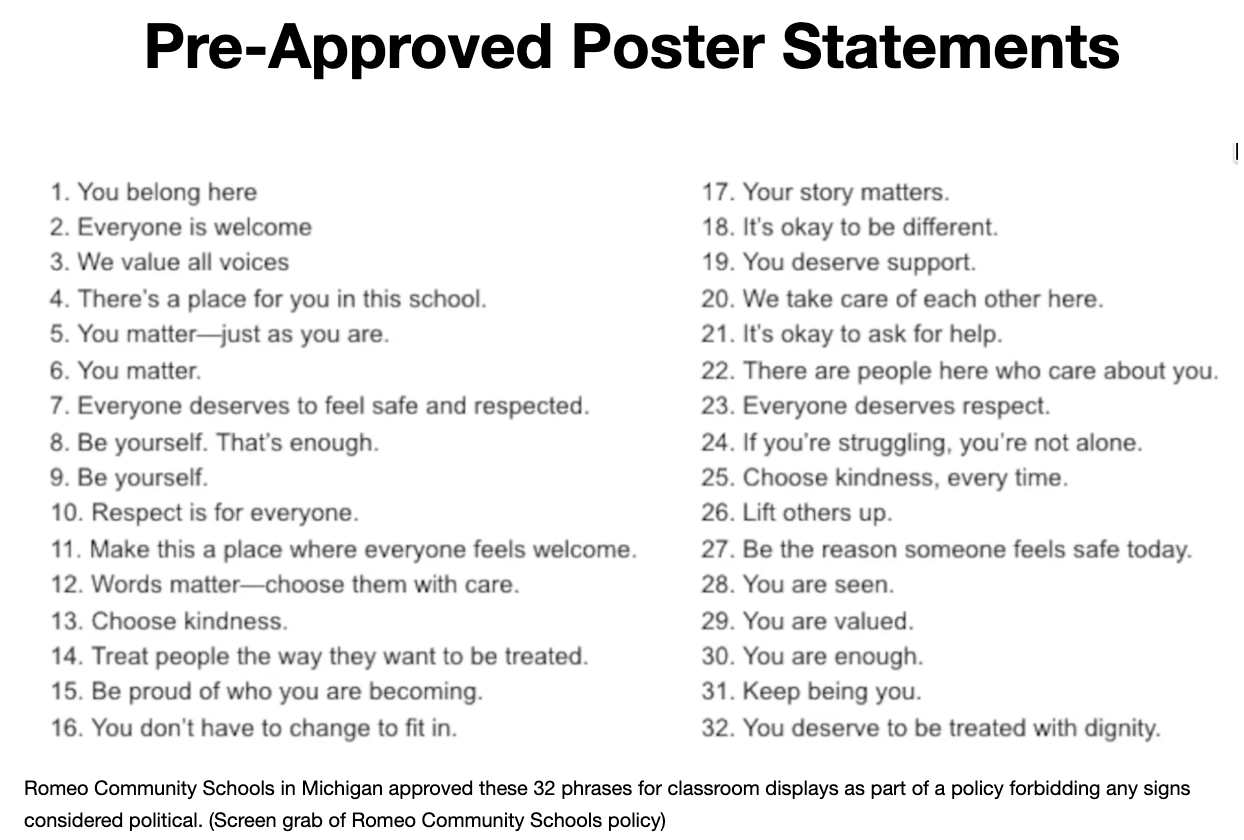
Last week, I was surprised by still another school war: a war over what kinds of messages teachers can and cannot post in their classrooms and hallways. Teachers in Michigan’s Romeo Community Schools have been told that there are 32 motivational phrases that they are able to display in their classrooms.


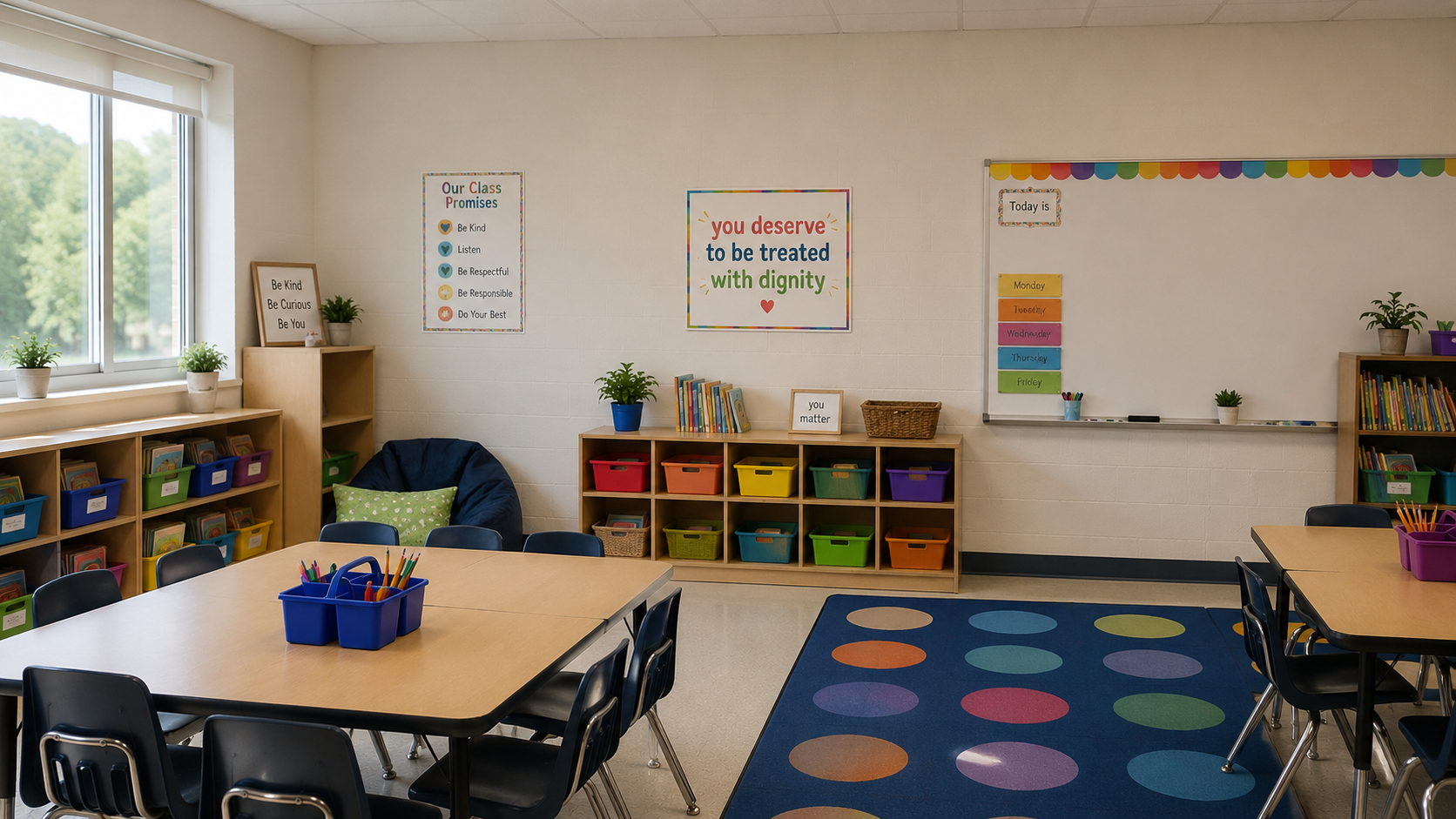
But if they want to display others, they’ll need approval. What is displayed on classroom and hallway walls communicates to all what is important, what is valued. In a way, the walls reflect the school culture.  

Now I know the whole issue of a school district trying to control speech will make a lot of Americans uncomfortable. Critics are claiming that the new policy is anti-free speech and designed to silence messages related to sexual or identity differences. One counselor in Romeo noted that she was offended that she had to take down a poster of “Welcome” that was written in rainbow colors.  

On the other side, a district spokesperson argued that “the administration, teachers union and legal counsel worked collaboratively to create a list.” Romeo school officials argue that the policy “is intended to remove symbolism and displays that aren’t aligned with district curriculum.” 

But what caught my eye was that one of the 32 “preapproved” phrases is this: “You deserve to be treated with dignity.” That stopped me in my tracks. “Dignity” made it!  The fact that this conservative rural district included a message about treating others with dignity gave me a thrill.  

But it isn't enough to plaster the bulletin board with a phrase. Adults and children must practice these phrases as well. We must walk the talk. A top-down decision creates a reaction; a commitment to reflect the dignity of others through dialogue and consensus creates a movement

So what if we imagined a path forward in Romeo that didn’t result in another “war?” What if the folks who want these restrictions and the ones who don’t want them held a discussion about their differences with one ground rule: both sides agree to treat each other with dignity? What if we asked and expected the adults who are charged with influencing and making decisions to abide by the principle that they’re teaching children?  

We know from the Dignity Barometer that 94% of Americans believe that we should treat each other with dignity, and that seems to be reinforced by Romeo’s authorization of “You deserve to be treated with dignity” as approved messaging. 

But we also know that only 31% of Americans feel like we do treat each other with dignity, and that seems to be what counselors and critics are concerned about. To truly treat each other with dignity, a decision about what can and cannot be posted on school walls requires an open debate where all sides agree to treat each other with dignity. That’s what Americans overwhelmingly want, and our schools could and should be places where that’s modelled.    

If Romeo accepted this challenge, they’d have lots of support from educators and school districts around the country who are joining our work to bring dignity to our schools. We’re working with thousands of teachers, administrators, parents, and community leaders to integrate dignity into classroom practices, discipline programs, and decision-making structures. 

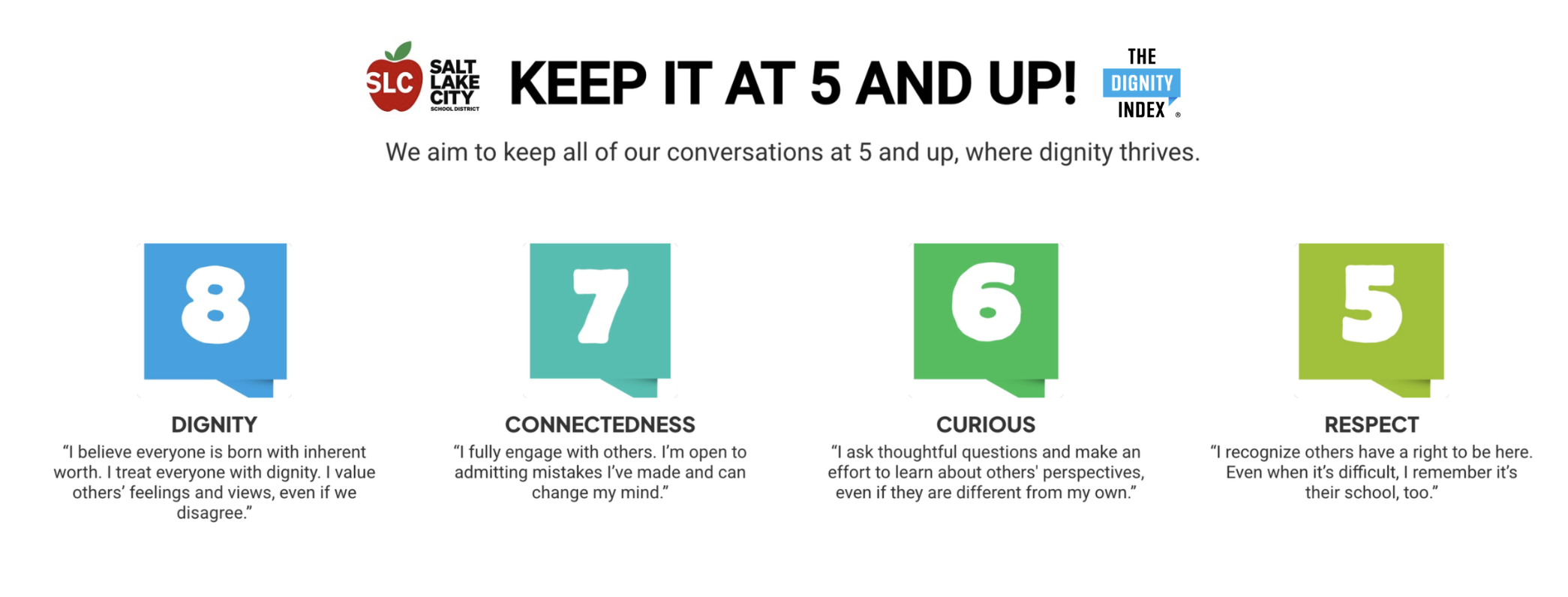
In Salt Lake City, for example, they’ve asked teachers and students to manage conflict by using dignity index language that is “5 and up.”

In Hamden, Connecticut, the district is working on multi-level strategies to become a “dignity district.” Their work will teach us a lot about how to increase the incentives for dignity and reduce contempt, and might be helpful for Romeo leaders too.

But the risk in Romeo is now. A new culture war might be taking shape, but it’s one we can clearly avoid. We only need to practice what we teach: treating each other with dignity. Wouldn’t it be a great lesson for our kids if the leaders on both sides in Romeo could solve this problem by treating each other with dignity and finding a way to make sure every student feels treated with dignity too?  

Then we would fulfill another one of Romeo’s approved messages: “We take care of each other here.” Wouldn’t that be a great message for our country too!

Tim Shriver


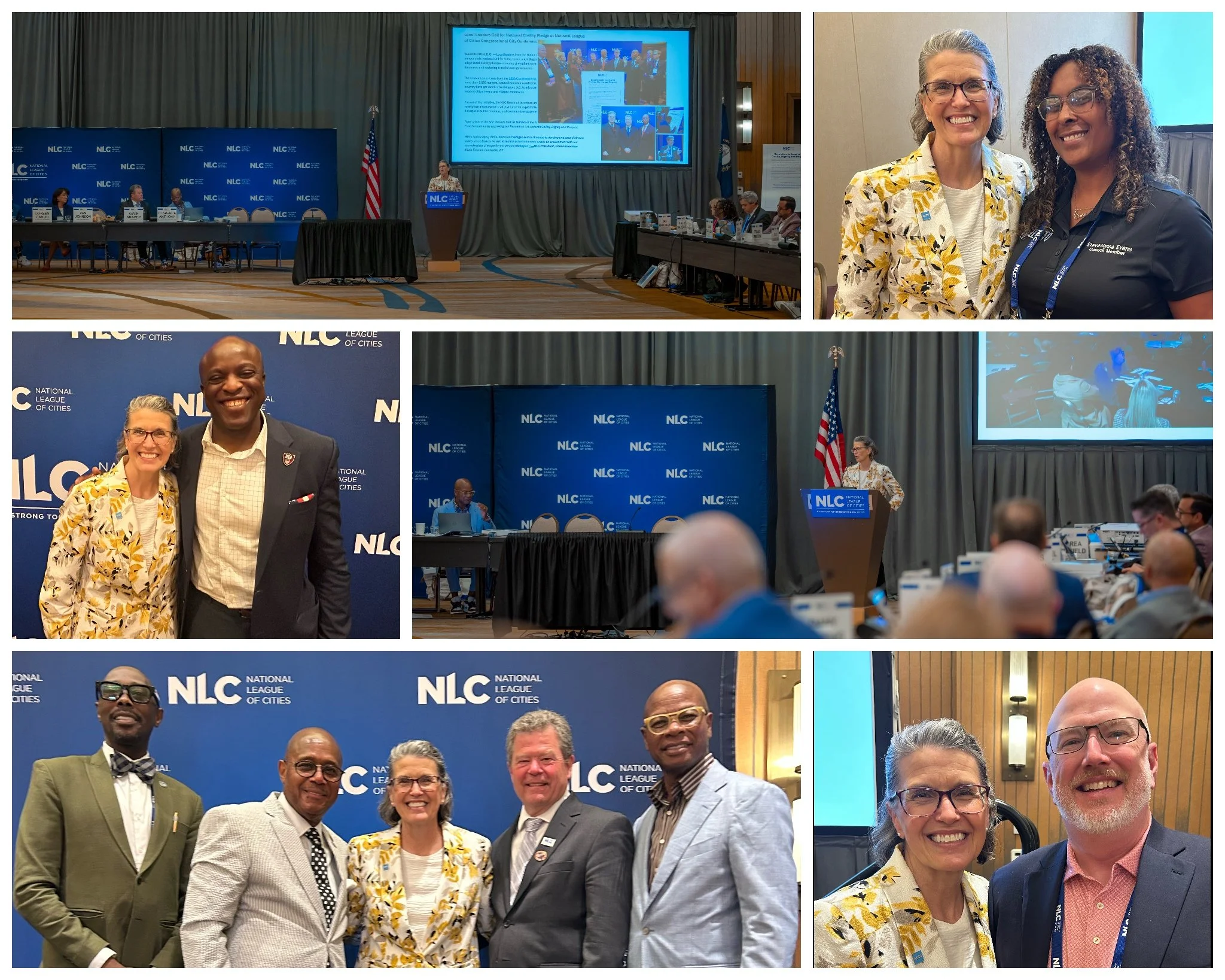
Tami was in Louisville, Kentucky, speaking at the National League of Cities Board of Directors meetings, where she shared an update on our partnership with the NCL and a preview of tools to help their members.

Earlier this year, the NLC Directors signed a Resolution to Lead with Civility, Dignity, and Respect, and since then, state municipal organizations are creating or renewing their own dignity pledges.


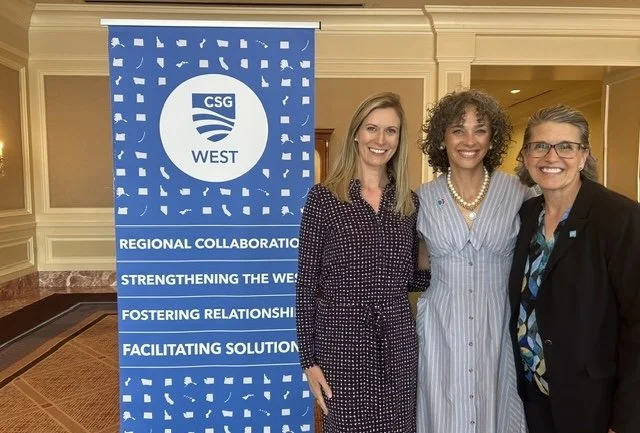
Last week the Council of State Government hosted a panel on how to build relationships across differences at their summer convening in Salt Lake City.

Tami was joined by two of our colleagues: Jill Tolles from the Guinn Center for Policy Priorities, and Marianne Viray from Disagree Better.

State Legislators from across the West shared their questions and experiences on reaching across the aisle to connect with both colleagues and constituents.


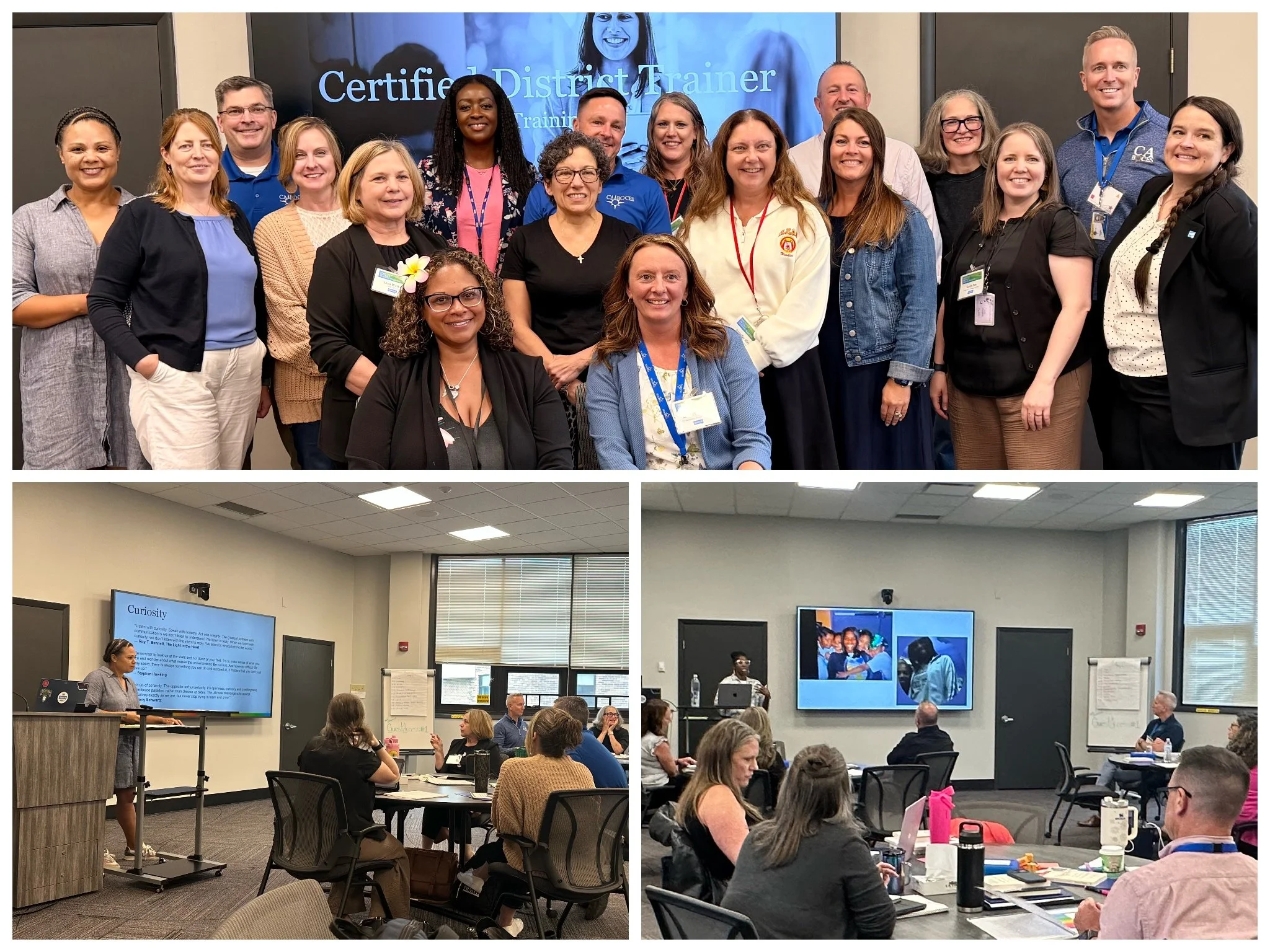
Our K-12 Team led a dynamic group of dedicated educators through our Certified District Trainer (CDT) training last week - this time in New York state.

The CDT is a two-day intensive training aimed at preparing the next wave of leaders with the tools and knowledge to lead their own dignity movement within the school districts they support. We are grateful to Cattaraugus-Allegany BOCES for hosting the event and cannot wait to see what this dynamic group does next school year and beyond.

For our next scheduled CDT trainings, we are heading out west, with dates in both Oklahoma and Utah.

To learn more about this opportunity, please visit our website or reach out to Dignityk12@unite.us


Help grow a culture of dignity.

Share this newsletter with a friend, colleague, or family member.

Follow us on social media for daily examples, insights, and resources.

Become part of our Dignity Community to connect with over 600 people committed to practicing dignity. Join us for LIVE chats, exclusive content, and more.

Support our work with a donation to help us create more free tools, research, and educational resources.

Invite us to your community, school, workplace, or organization to bring a Dignity Index workshop or presentation.


Next
Next

The Power of Trendsetters