Dignity in Conflict

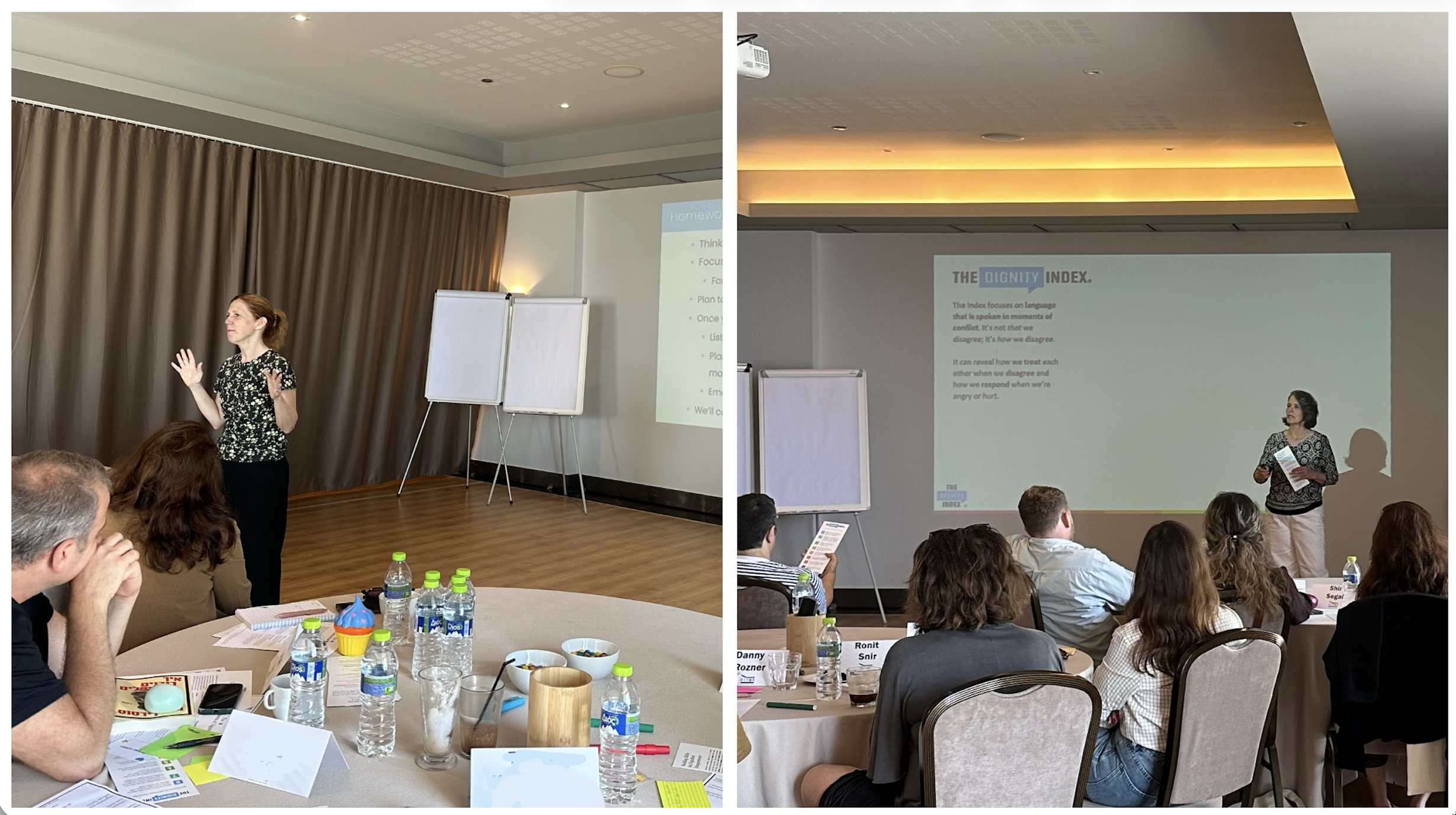
It’s beyond humbling to share the Dignity Index with passionate leaders from the Middle East living the reality of war. It reoriented me. And discussing what Dignity looks like when engaging with people who think just the opposite of you, especially when the stakes feel existential and urgent, requires an unlimited combination of courage, imagination, practicality, and more than a little humor—traits that were on full display by the leaders we met with last week in Greece.

Let me back up. In January, we were approached by a group of not-for-profit and public leaders from Israel to share the Dignity Index work. The group was starting a new civil initiative intended to motivate and equip emerging leaders with tools for engaging in public service. And they were interested in exploring The Dignity Index as one of the tools to support their work. At the time, an in-person gathering felt like a pipe dream. For them, planning a learning retreat while living in the day-to-day reality of an active war turned out to be only the first hurdle. Next came the start of the Iran war, and the likelihood of an in-person session—even in a neutral location—felt more than precarious.

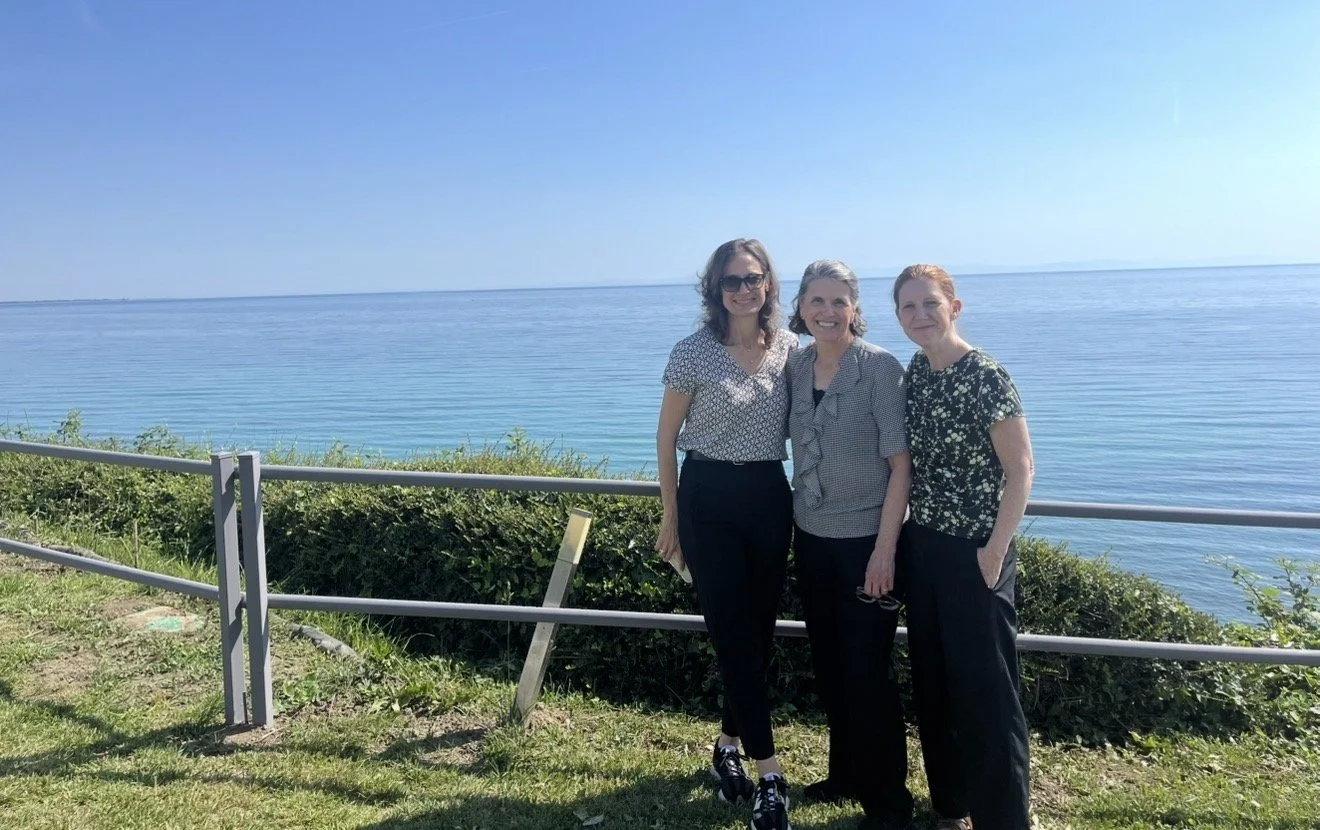
But this extraordinary group persevered, determined to carve a path for learning as they created their new effort. Last week the pipe dream became a reality as we touched down in Greece from our respective countries to meet with this group of visionaries and talk about how they might apply the dignity work to their efforts.

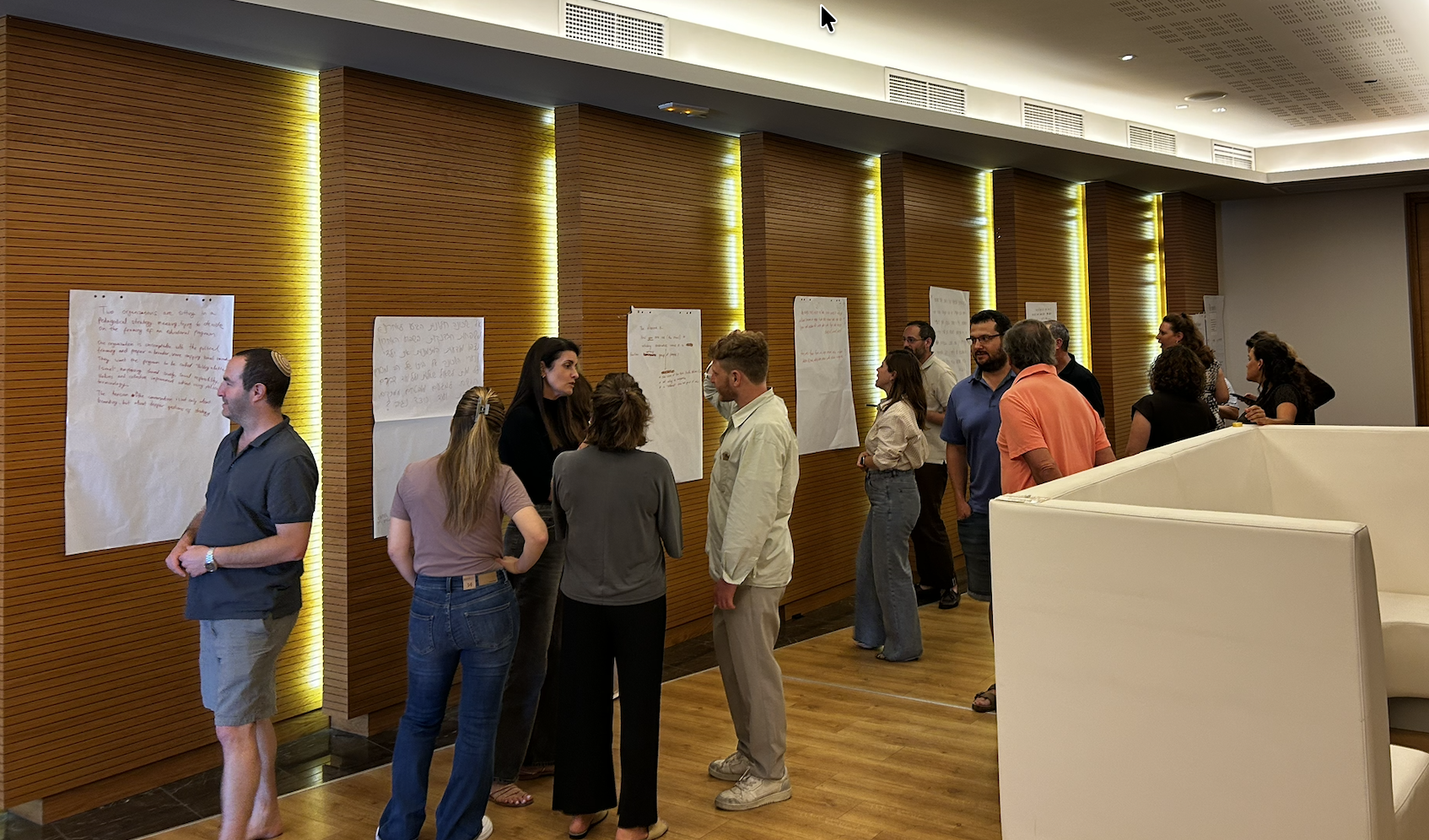
With deep backgrounds across government, education, and the military, they shared their experiences and their views on the language of contempt and dignity, and its impacts. They challenged us and each other. They told us there is no direct translation of the word dignity in the Hebrew language. But the concept of acknowledging the inherent worth we all have as human beings—even when we disagree deeply—resonates universally.

The leaders grappled with both their current realities and the possibilities for a better future—a future they are actively working with the next generation to shape. They explored what putting the Dignity Index into practice could look like in their families, at work, in politics, and in their communities. For me, being alongside them during these intense discussions only reinforced the difficulty, and necessity, of our collective dignity work. Work that this group is willing to take and make their own.

Before we parted ways, the leaders talked about the areas where they plan to experiment with the Index in their own lives and work after returning to Israel. And we agreed to continue the conversation.

As we were preparing to leave, I had a quick flashback of the group exercise we did the first night we arrived. We sat in a circle, with each person talking about one of the most transformative learning experiences they’ve had.

And I realized this was mine.

- Alicia Burke


Watch The Mirror Effect


Dignity in Action

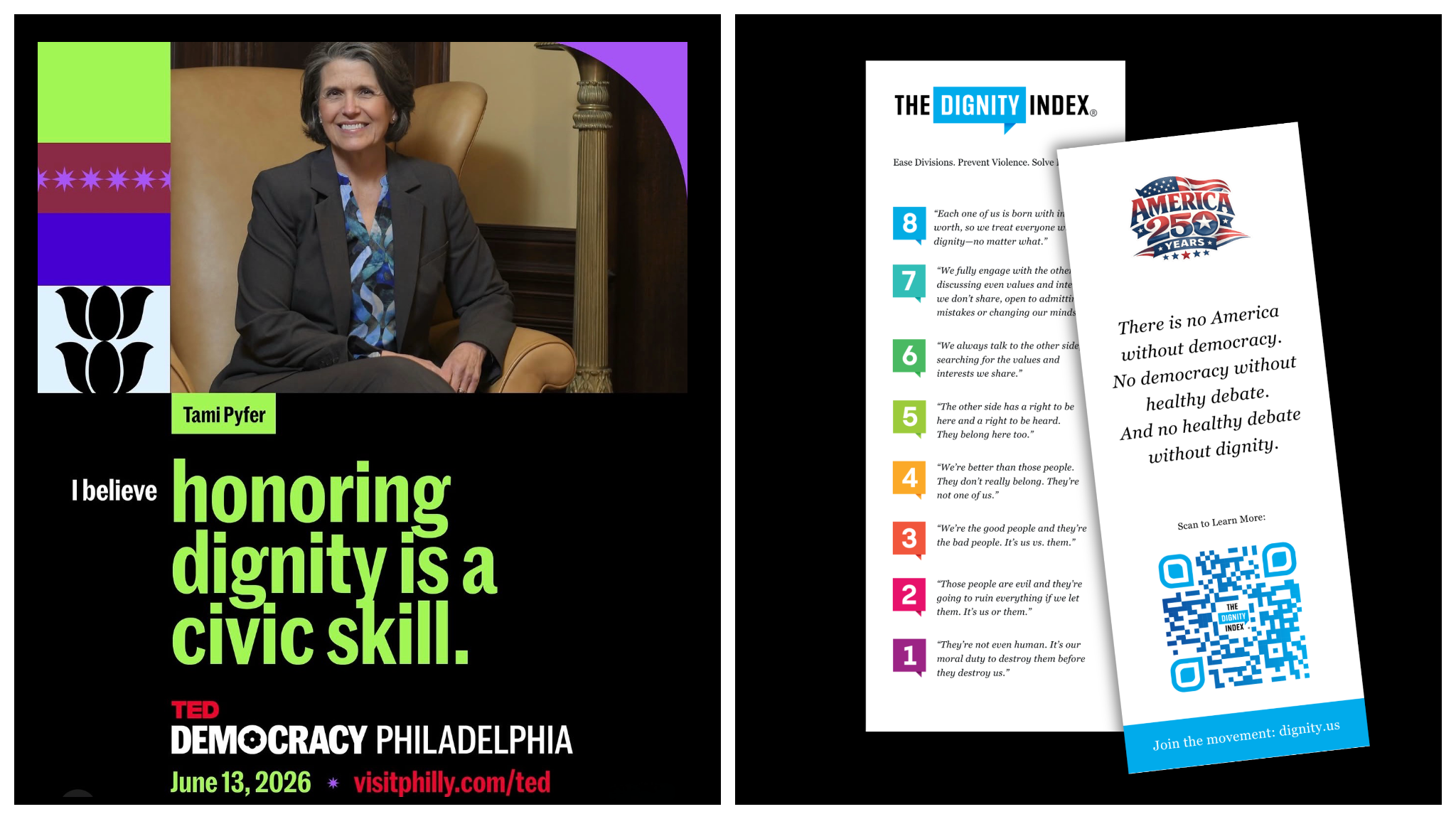
We’re SO excited to share that Tami Pyfer will be taking the stage at a special TED Democracy in Philadelphia event on June 13th! 
We’re proud to see Dignity on a stage like this, and even more excited about what it means for the future of this work.


The Dignity Community brings people together to share stories, learn from one another, and practice dignity in everyday life. Join us for live chats, free resources, and exclusive community content.


Next
Next

Disarm