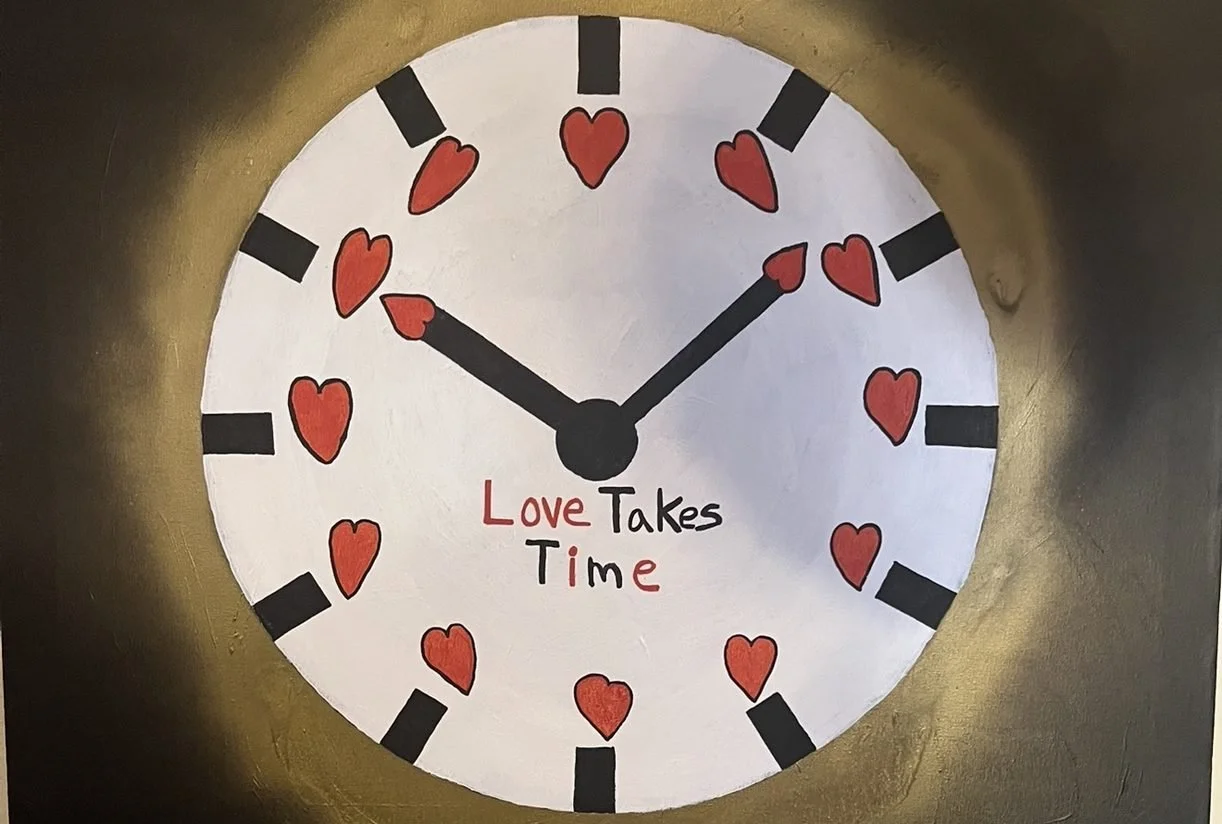
Love Takes Time
My granddaughter, Isla, 5 years old, was sitting in front of the altar at church with her brother Francis, 7, who was about to receive his first communion. The priest was giving a short homily about the meaning of communion for the children when he asked, “Why do you think it says in the Bible that we need our ‘daily bread’?”
Isla blurted out her answer before any of the other children could open their mouths: “Because we need it to stay alive,” she said confidently. “Right,” the priest replied. “And we need love to stay alive, too. That’s why we have bread for our spirits, just like bread for our bodies. To keep us alive in love.”
For most of the next 30 minutes, as I watched Isla and Francis join the ancient rituals of our faith tradition, I was choked up. Francis read the story of Moses in the desert, where manna from heaven kept the Israelites alive.
He worked so hard to pronounce every word. It was beautiful. In the procession, he carried a banner he made with the word “spirit” on it.
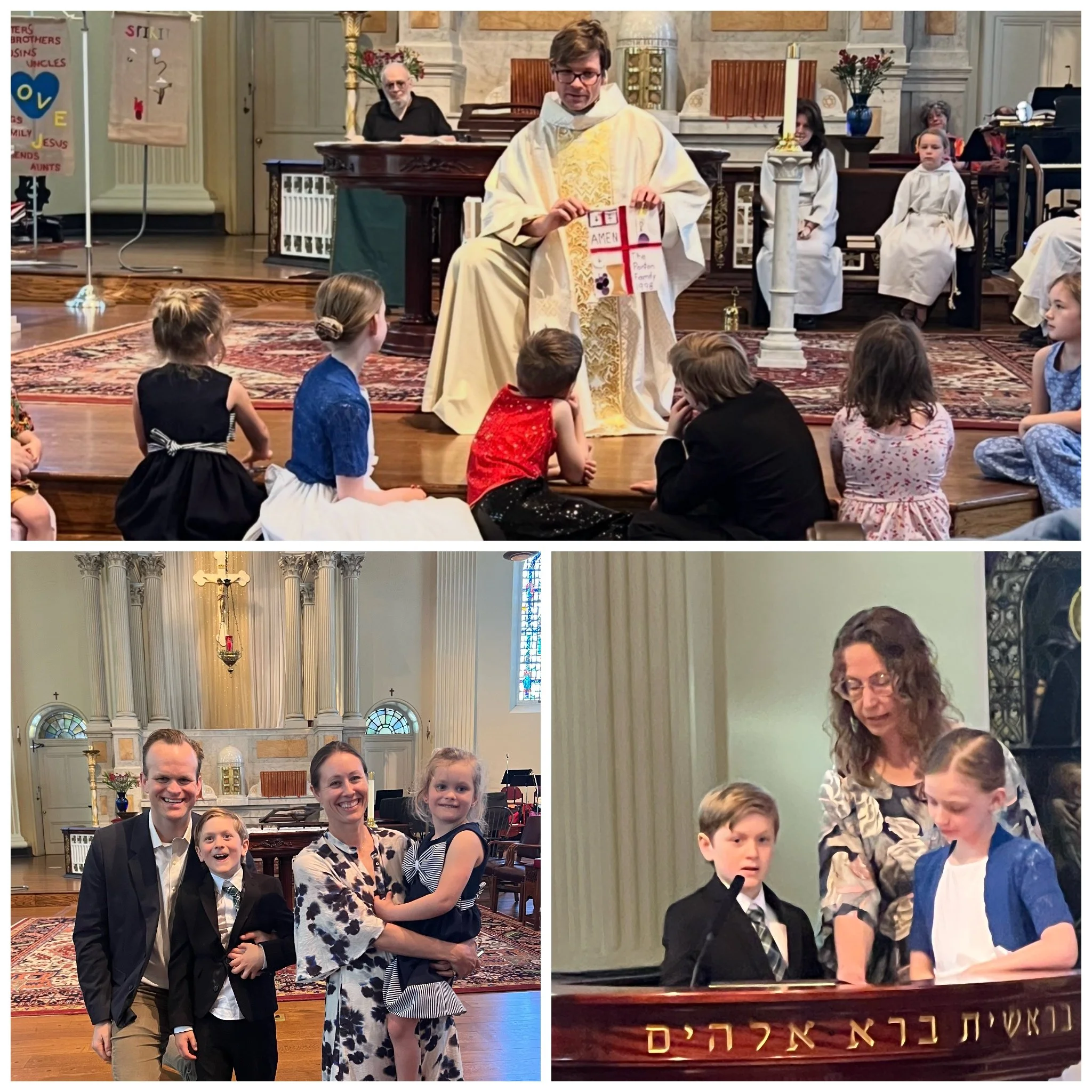
I could sense his spirit, which was so full of energy and so tender at the same time.
As the ceremony continued, I looked at him and his sister and imagined the lives they had ahead of them. What would keep them “alive in love?” Who would they become? What small moments of grace would surprise them in life? What sadnesses would wound them? What questions would confuse them? What joys would awaken them? I imagined them leaving a church after a funeral or after a wedding, and hoped they’d feel alive in love. I imagined them walking alone in the woods. I imagined them at my age, their grandparents and parents probably gone, maybe in that same church at that same altar. I prayed that they would be alive in love.
And I wondered about our dignity movement—would it rise to help their generation treat each other with dignity? When they’re teenagers, will they be able to say that they live in a time when people treat each other with dignity? Will they be hopeful about their country?
Later that same day, I went to a birthday party for a friend named Hazel at the L’Arche community of DC.
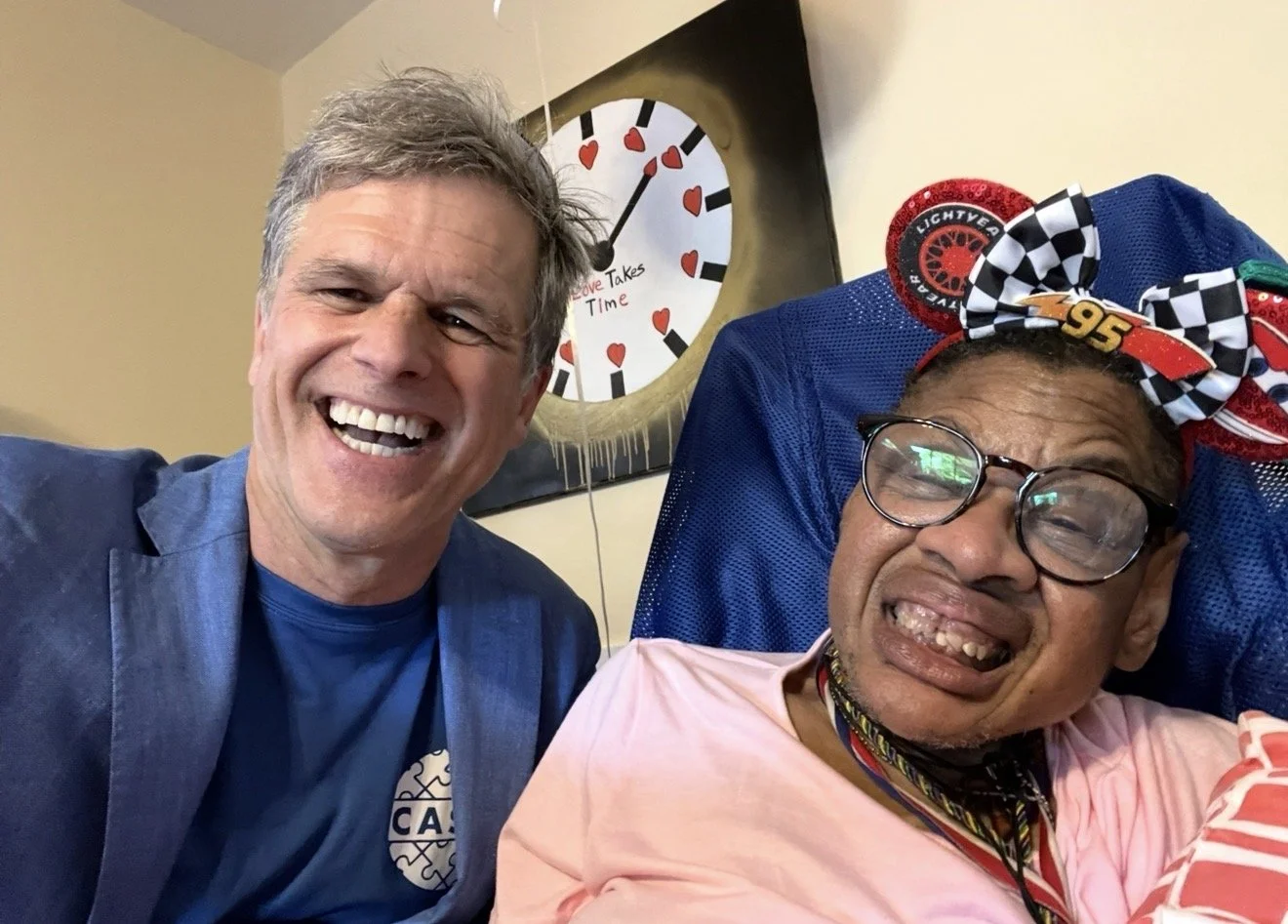
L’Arche is a movement dedicated to building community where people with and without intellectual differences live together. Hazel had a big crowd for her 67th birthday, and everyone was served root beer floats. But what caught my eye was the painting behind Hazel’s chair. It read, “Love Takes Time.”
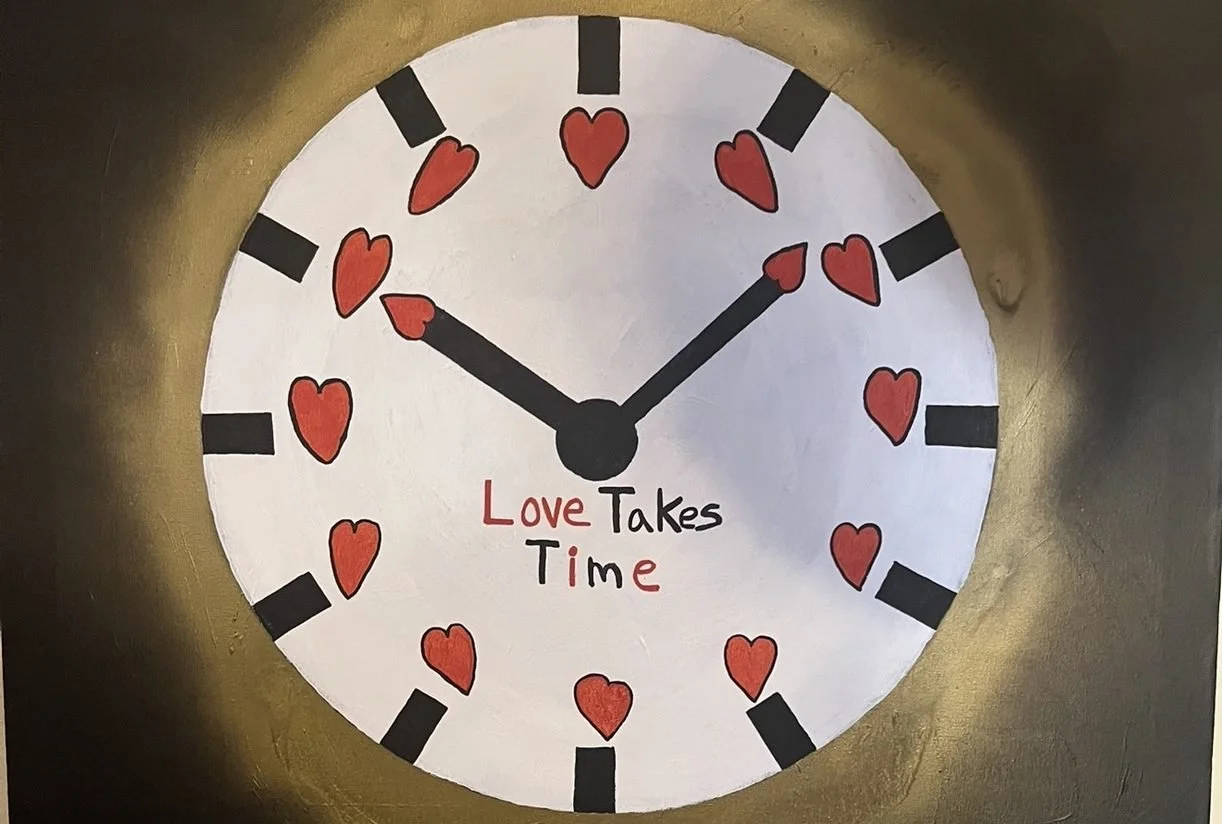
I took a deep breath as I looked at that “clock” of love. There are no numbers on the clock of love. No tracking device. No app to measure progress. Love operates on a different frequency. Love asks us to check out of counting time and check into love time. We have to show up and be present and be open to whatever is in the moment for love to work its magic. The folks at L’Arche know that.
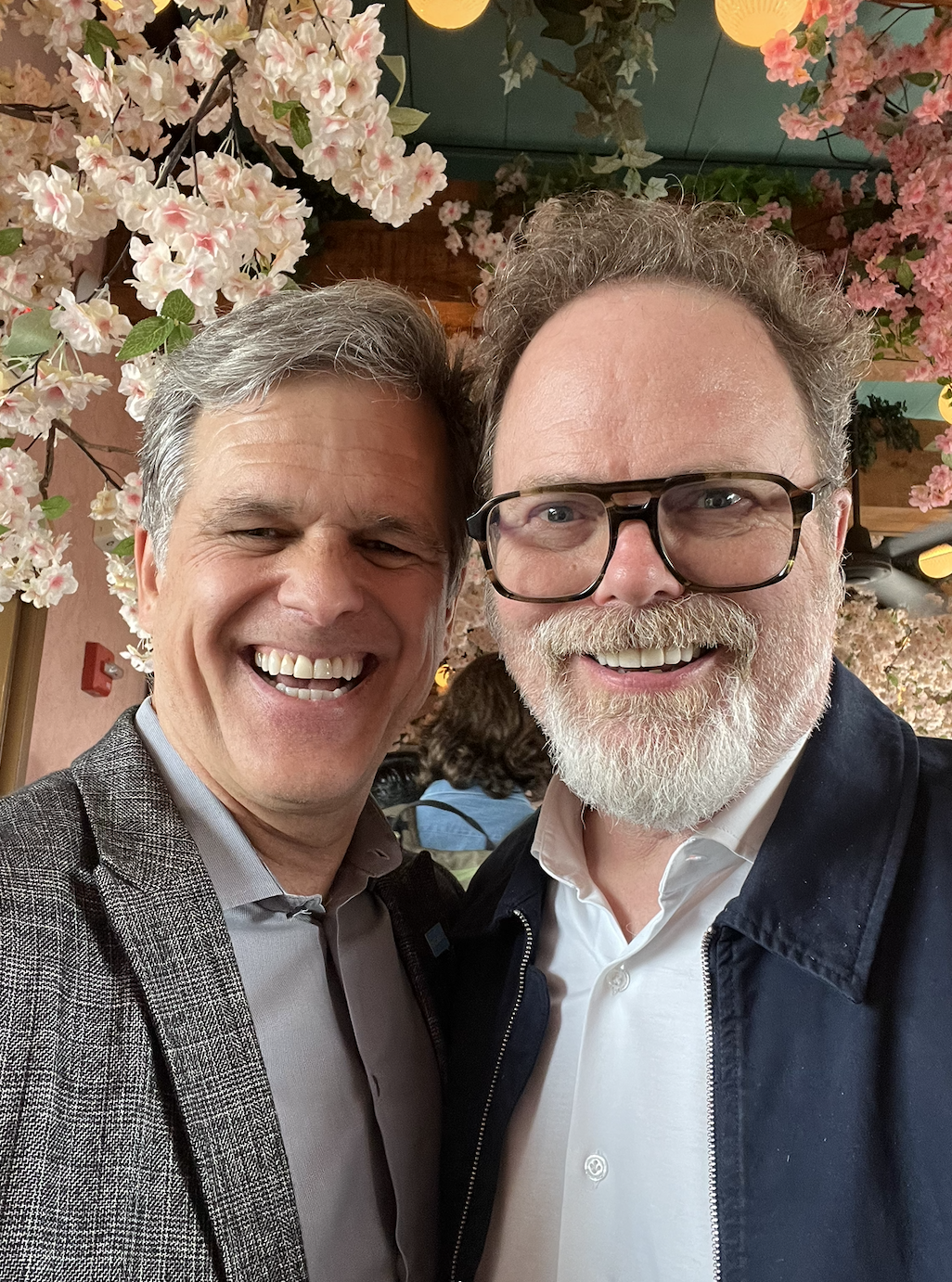
I think the Dignity movement is like that sometimes. I was thrilled to join Rainn Wilson this week as he and his Bahá’í community launched their celebration of America’s 250th by issuing a report entitled “A Common Endeavor.” Bahá’ís believe in the unity of all people, and their report focuses on the moral and spiritual questions at the heart of our national life. Dignity resonates as the core message of our country: everyone is equal, and we all deserve dignity.
Of course, Rainn’s community and ours have tools and measures and scores and skills. But at a larger level, we’re trying to find out what could “keep us alive” in dignity. That’s our mission, not just our goal. It will take time.
I know there’s a lot riding on our politics right now. And I know it’s urgent that we each act to advance the principles and policies that will advance the common good as we understand it.
But I also know we are in a long game, too. Hazel reminded me that love takes time. Francis and Isla reminded me that spirit takes time, too. All of you remind me that dignity takes time. For our mission to be successful, we are called to give ourselves to treating each other with dignity at home, at work, at school, at prayer—everywhere! It may or may not produce the results in the midterms that you want, but it may very well be the only way to produce the future we need.
For me, Francis and Isla are reason enough for me to give my best to treating others with love and dignity. That’s my best bet for how to give them the future they deserve. I know each of you has a person or a reason that inspires you, too. I hope you will share them generously. Time is of the essence!
Tim Shriver
DIGNITY IN ACTION