Finding Our Way Back to One Another
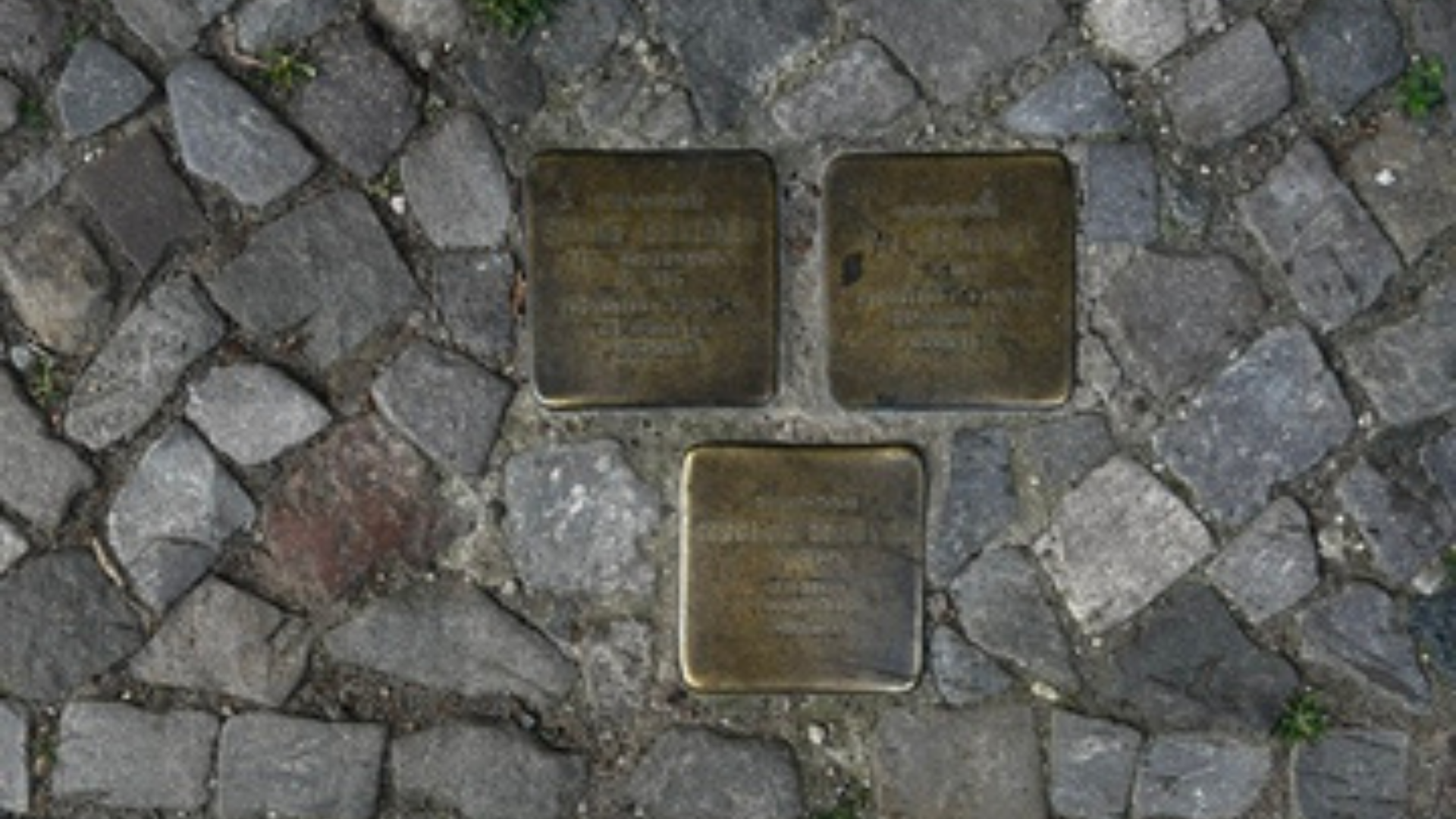
Last month I visited Berlin for the first time. I expected to learn about history. Instead, I found myself learning from three small brass plaques embedded in a sidewalk.
When I arrived at my friend's apartment, my eyes were drawn to the plaques in front of the building. Bending down, I saw names and dates engraved on the brass and recognized them as Stolpersteine, or "stumbling stones"—historical markers created to honor those persecuted and killed by the Nazi regime.
First conceived by artist Gunter Demnig in 1992, more than 126,000 stones have now been placed in Germany and 31 other European countries. The goal of Demnig and his small team is to ensure that each individual victim is remembered by name—that "each fate is well researched and each stone is placed with dignity." It was touching to see the care being taken to recognize the humanity of each individual memorialized in this way.
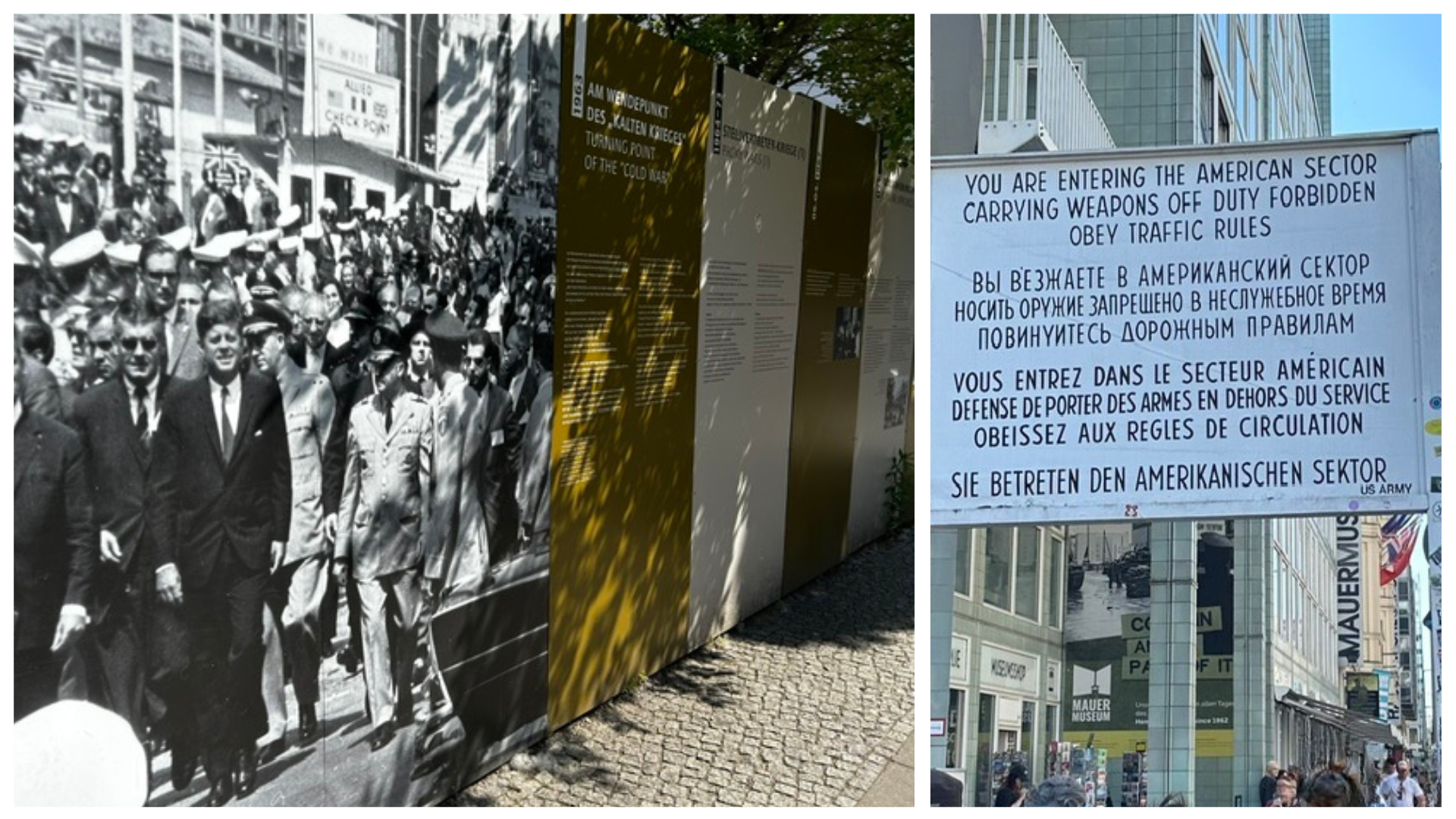
Exploring Berlin over the next two days, I realized these stones were only one expression of a city committed to remembering. Evidence of division—and subsequent repair—can be found throughout Berlin: the remnants of the Berlin Wall, Checkpoint Charlie, museums, murals, and memorials. Together they acknowledge the consequences of fear, contempt, and dehumanization while also pointing toward the path of healing.
As I discovered more about the history of the Stolpersteine, I was struck by these lines from a 2007 interview with Demnig. He explained that the stones are placed in the ground "with the intent to make you stop and reflect."
"If you want to read such a stone, you have to automatically bow," he said.
"They are supposed to provoke people into thinking about what happened to individuals and families during the Nazi era. Families were torn apart, and Stolpersteine can at least bring them back together symbolically."
What moved me so deeply was how Berlin remembers its history. These small stones restore names, homes, families, and stories to people who were once stripped of their humanity. They quietly insist that every life has value and every person deserves to be remembered with dignity.
And I couldn't stop thinking about Demnig's observation that to read one of these stones, you have to bow.
Perhaps dignity works the same way.
In a different way, families are being torn apart in our communities and country today—something I’m reminded of when I speak with groups about the Dignity Index. After nearly every presentation, someone quietly tells me they are estranged from a child, a parent, a sibling, or another loved one. Their pain is deep. I know because my family is experiencing this too.
Of course these circumstances are vastly different from those commemorated by the Stolpersteine. But I have been thinking about what our own "stumbling stones" might look like—not brass plaques embedded in sidewalks, but small moments that interrupt us before contempt takes hold. Moments that invite us to see ourselves more clearly and in doing so, remember the humanity of the person across from us.
I believe that the Dignity Index can serve as that kind of stumbling stone—at least for me. On my best days, it interrupts my first reaction. It reminds me to stop before assuming the worst, to become curious instead of certain, and to see the individual instead of the disagreement. Perhaps that's one way of looking through the dignity lens.
Repair takes time and work and patience. Sometimes it begins with a pause—with the humility to bow just enough to see another person's humanity again. And sometimes that simple act of seeing another person more fully becomes the first step toward finding our way back to one another.
Tami Pyfer
DIGNITY IN ACTION