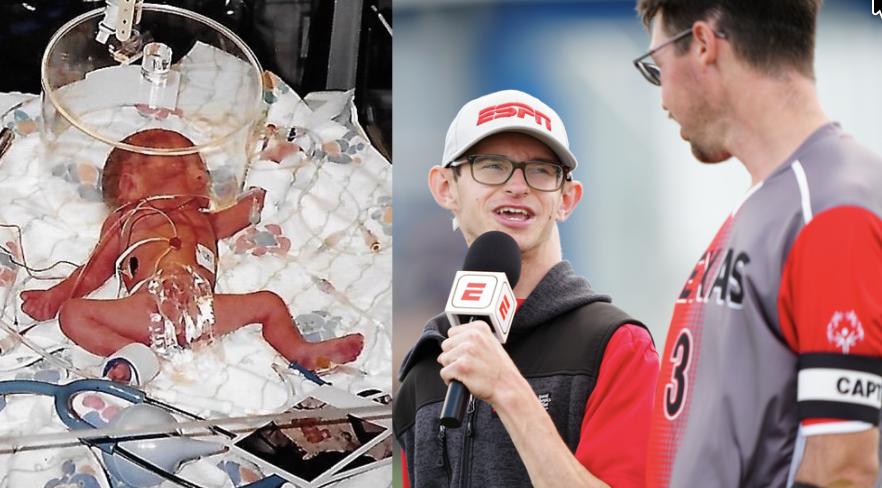
By the time he was 7 months old, he’d been through 13 surgeries. As he grew into a teenager, he had major spinal surgery, multiple hospitalizations, and a seemingly endless stream of disappointments at school and then at work.
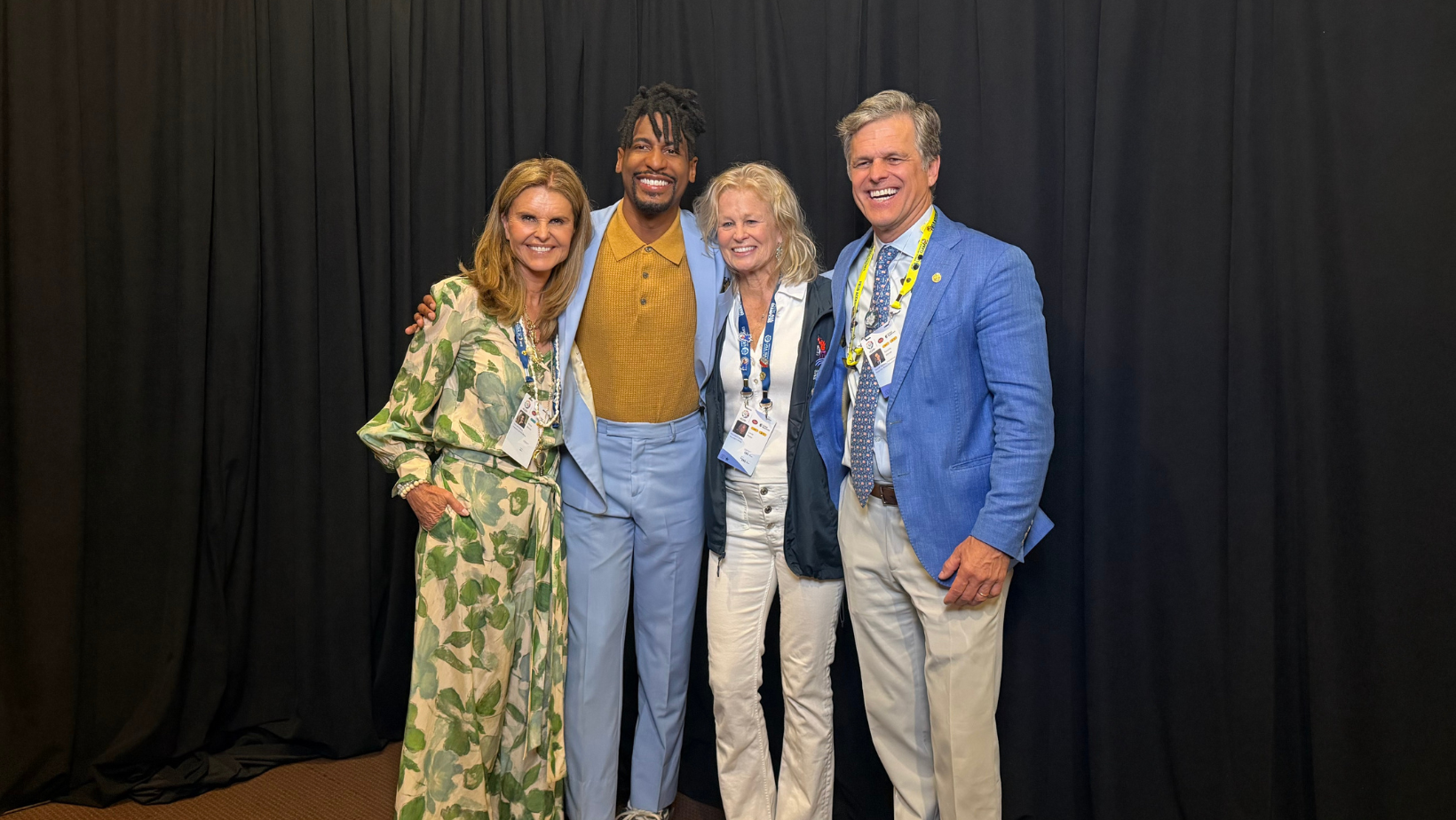
But last week, he was at the Special Olympics USA games in Minnesota working for ESPN as a reporter.
The medical challenges and multiple hospitalizations didn’t end but Wyatt Spalding kept playing tennis and basketball despite frequent pain, and severe fatigue. He still dreamed of being a champion, hitting a last-minute shot and being carried off the court to cheers and championships.
Despite disappointment after disappointment, Wyatt realized his gift was that he could see what others couldn’t. Special Olympics gave him what nothing else had: “It gave me a stage to compete,” he wrote, “to be an athlete instead of just a walking medical record.” He started a podcast, Be Unexpected, to “ask people who’d had their lives flipped upside down how they found their way back.” He came to last week’s games as a reporter because he knew that he could understand the athletes’ journey better than most. “This is what I learned from [my struggles]. I minored in failure and majored in figuring it out.”
Everywhere I went last week, I felt that same energy—the energy of people who had shifted not what they see but how they see. There was the unified basketball team from the Mississippi Delta that included kids from schools, from the boys and girls clubs, and from small towns.