We Are The Ones We've Been Waiting For

By Tami Pyfer | Chief Impact Officer, Dignity.Us

In 2009, during my final year as a city councilmember, I received a call inviting me to a hastily organized neighborhood meeting. It sounded important, so I dropped everything to attend.

The next evening I found myself in a crowded meeting room surrounded by familiar faces—faith leaders, educators, service club members, and nonprofit representatives. We had gathered to learn about a group of refugee families who had recently arrived in our valley after fleeing violence in Burma and spending years in refugee camps before being resettled in northern Utah.

Welcoming refugees wasn’t new to our community. Housing, employment, and basic services were already in place. But the purpose of this meeting wasn’t to discuss those logistics. It was to answer a different question: What more could we do to help these new neighbors feel like they belonged?

One by one, people around the room offered ideas and committed resources. Faith congregations volunteered bedding and household items. Teachers organized warm coats for our cold winters. Others pledged gift cards, bicycles, scouting service projects, and welcome baskets. It was our community at its best.

The moment I remember most came after the meeting, when a small group of women invited me to join them. Their leader, a confident young woman in her twenties, explained that they called themselves the Five Club.

Whenever someone in the group saw a need, these women would gather, each bringing at least five dollars in cash. They would pool the money, discuss how to help, divide assignments, and quietly go to work. No bureaucracy. No waiting. No publicity. Just neighbors deciding they would become the answer to someone else’s problem.

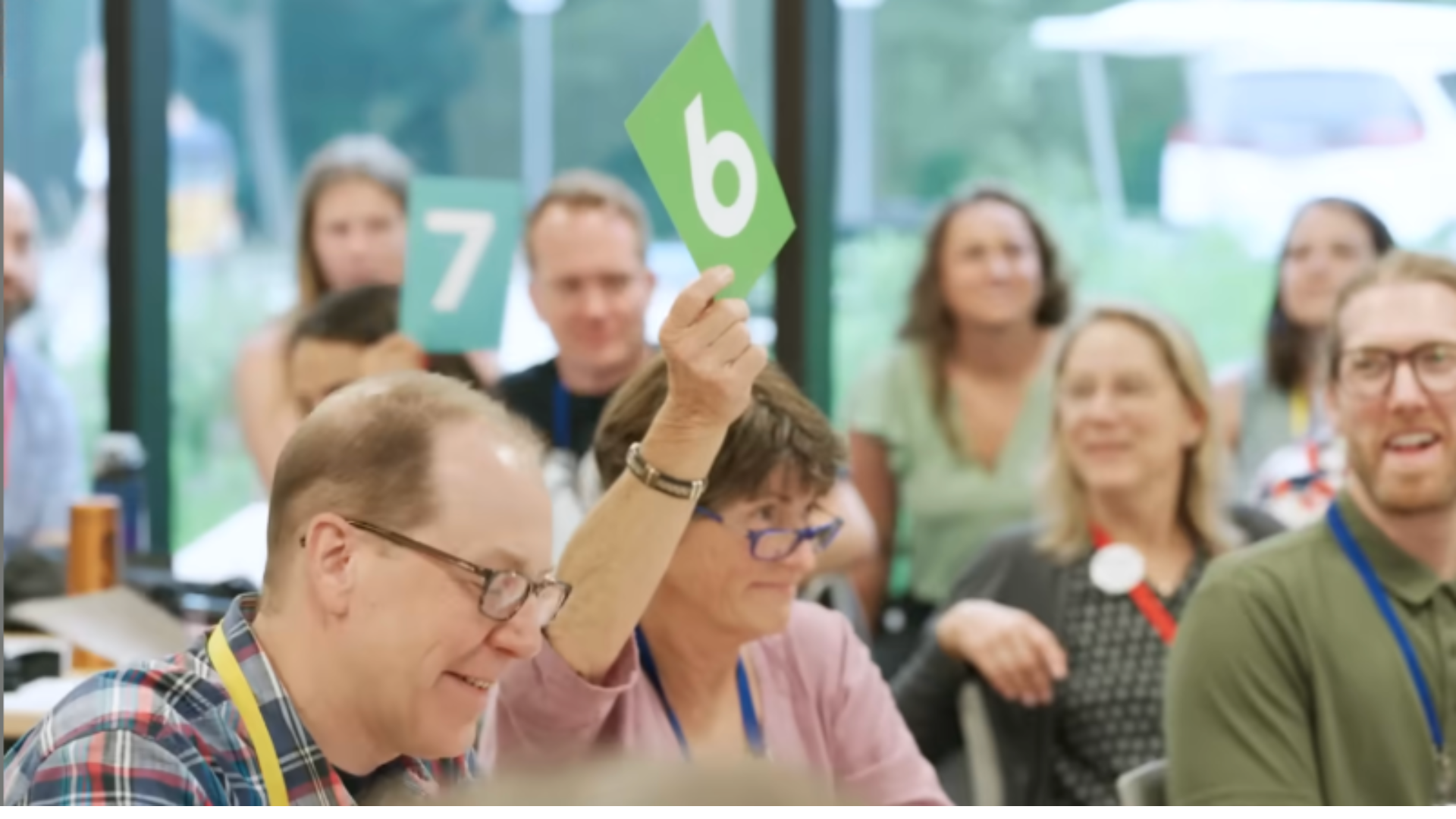
I thought about the Five Club again this week as I joined a Zoom call with one of our partner organizations, Braver Angels. More than one hundred BA members from across the country gathered to share the work they’re doing to renew America’s civic culture.

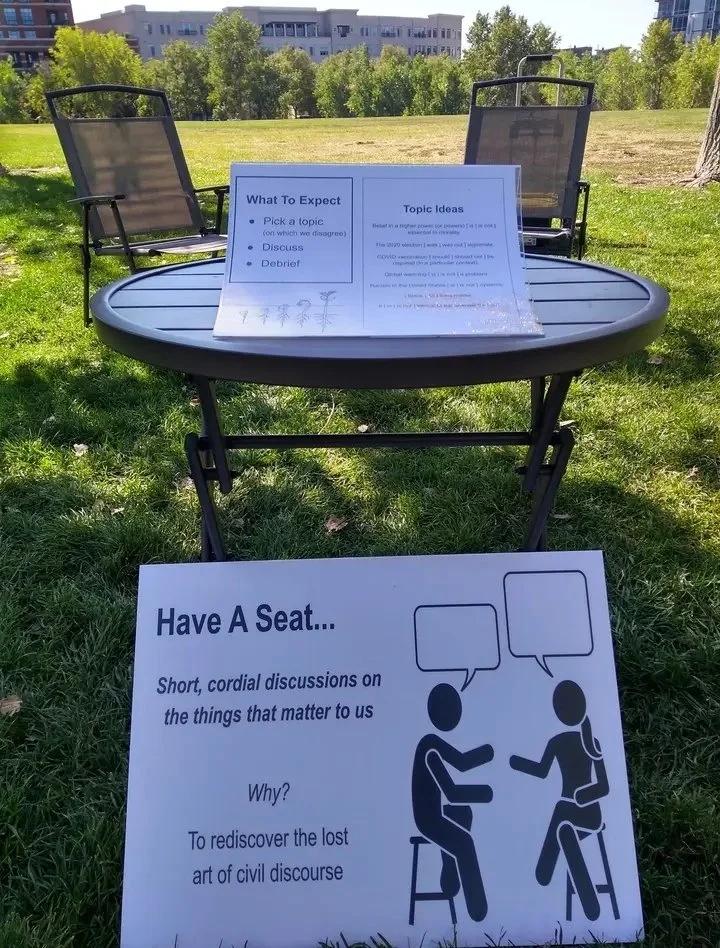
A self-described introvert from Denver described how he set up a table in a city park, and invited strangers with different political views into conversation.


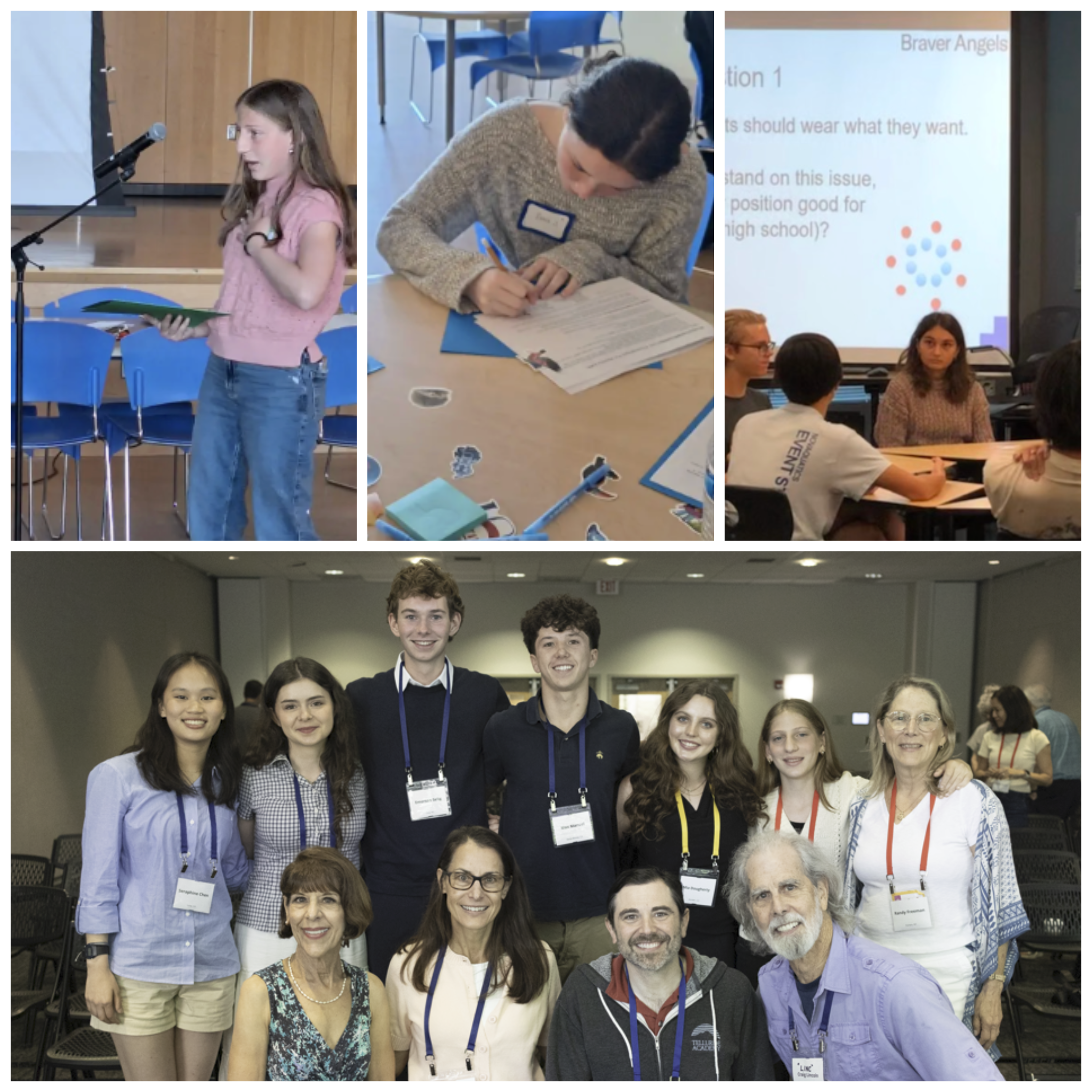
High school students spoke about reaching across ideological divides in their schools. And members of our own team shared the work they are doing to bring the Dignity Index into local Braver Angels chapters.


This call reminded me that these bridge-building efforts are happening everywhere, even if they rarely make the news.

Earlier this year, our Dignity Barometer confirmed what I’ve been seeing firsthand. While Americans often describe our country as deeply divided, 94 percent believe every person deserves to be treated with dignity, and 72 percent believe healing our divisions is possible.

Even more encouraging was the data on people’s descriptions of what they were already doing to contribute to that healing: more than eight in ten Americans reported that during the past year they had listened carefully to someone they disagreed with, asked questions to better understand another person’s perspective, or acknowledged something positive about someone with different views. When asked how they personally could help strengthen our civic culture, their answers were simple:

“I can be a compassionate person and lead by example.”

“I think we should come together more and listen to each other no matter what the outcome is.”

“I can ease divisions by listening, helping, and uniting people.”

“I could turn the news off and become more active in my community.”

Amid the daily barrage of headlines proclaiming how divided we are, it’s easy to overlook the millions of Americans quietly choosing a different path. They aren’t waiting for permission. They’re mentoring students, organizing conversations, pooling five-dollar bills, welcoming newcomers, and finding countless small ways to replace contempt with dignity.

One of the greatest gifts of my work is getting a front-row seat to watch these people in action.

In her book, The Moment of Lift, Melinda French Gates writes that it often takes people standing together to give others the courage to stand. I think that’s exactly what is happening today. Every small act of dignity gives someone else permission to do the same.

Which brings me back to that neighborhood meeting years ago. The people in that room weren’t waiting for a government program or a political leader or a national movement to solve the problem before them. They simply decided to become the kind of community they hoped to live in.

And perhaps that’s the most hopeful realization of all. As the poet June Jordan prophetically declared, “We are the ones we’ve been waiting for.”

Tami Pyfer


Help grow a culture of dignity.

Share this newsletter with a friend, colleague, or family member.

Follow us on social media for daily examples, insights, and resources.

Become part of our Dignity Community to connect with over 700 people committed to practicing dignity. Join us for LIVE chats, exclusive content, and more.

Support our work with a donation to help us create more free tools, research, and educational resources.

Invite us to your community, school, workplace, or organization to bring a Dignity Index workshop or keynote.


Next
Next

What Are We Allowed To Say?